To fix a water drainage or power issue with your machine, check the drain hose position and the power outlet first as part of your giantex portable washing machine troubleshooting. Most problems result from a simple blockage in the hose or a tripped breaker in your home. If the unit doesn’t start, ensure the lid is fully closed, as the safety switch prevents operation when open.
Why your Giantex portable washing machine fails
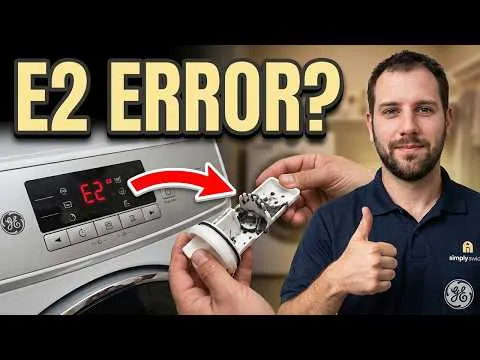
The most frequent cause for this machine failing to operate is an uneven surface or an improper load balance. These units rely on mechanical balance to operate, and if the machine isn’t level, the drum may vibrate excessively or fail to spin properly. Check that all four feet sit firmly on the floor and adjust them if the unit rocks when you push on it.
Another common issue involves the water level and drain hose. If the water doesn’t fill or drain, check for kinks or bends in the hose. The hose must stay below the level of the tub for gravity to help the water exit. If the hose is placed too high, the internal pump will struggle and may shut down to prevent overheating.
Finally, electrical issues often stem from overloaded power strips. These machines draw a high current during the wash cycle and should be plugged directly into a wall outlet. If the machine suddenly stops, check your home’s electrical panel to see if a circuit breaker has tripped.
Adjust the drain hose position
If your machine isn’t draining properly, the first step is to lower the drain hose. The pump inside these portable units isn’t designed to push water up to a high sink or basin. If the end of your hose is positioned above the water level inside the drum, the water will simply sit there.
Lower the hose so the exit point is below the water level in the wash tub to allow for gravity drainage. This creates a gravity-fed flow that allows the pump to clear the water effectively. If you’re using a sink, place the hose directly into the basin rather than trying to hook it over a high faucet or a wall-mounted standpipe.
You should also check the hose for any debris or lint buildup. If the water flow remains slow after lowering the hose, disconnect it from the machine and flush it with a garden hose to clear any blockages. This fix is for anyone experiencing standing water in the tub. If the pump makes a loud grinding noise while the hose is clear, stop using the machine and contact a qualified appliance repair technician.
Balance the laundry load
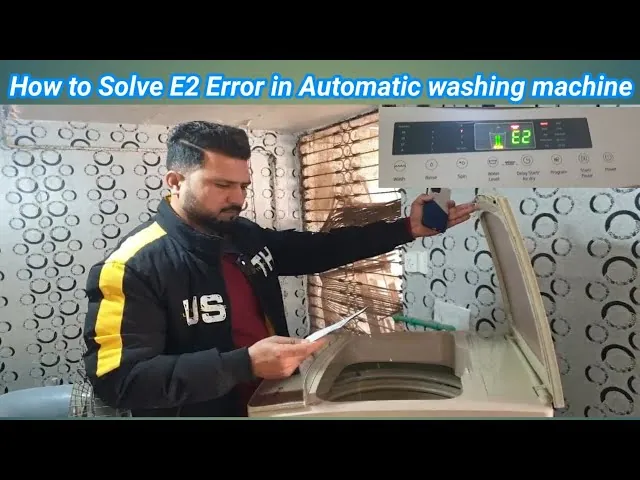
When the machine vibrates heavily or stops during the spin cycle, the load inside is likely unbalanced. These machines have a small capacity, and adding heavy items like blankets or multiple pairs of jeans can cause the drum to shift off-center. If the drum hits the side walls, the internal safety sensor will stop the motor to prevent a mechanical failure.
To fix this, pause the cycle and open the lid. Remove some of the wet clothing and rearrange the remaining items so they’re distributed evenly around the agitator. Don’t pack the tub to the top, as the clothes need room to move during the wash and rinse phases. If the machine continues to stop after you have lightened the load, the issue may be a loose internal suspension spring.
This fix is for users who hear banging or see the machine “walking” across the floor. If you notice a burning smell or see smoke, unplug the machine immediately and don’t attempt to restart it. If balancing the load doesn’t stop the shaking, the internal components may require a professional inspection.
Inspect the power supply
If your machine is completely unresponsive, the issue is likely a lack of power reaching the control panel. First, check the outlet by plugging in a lamp or another small appliance to see if the outlet itself has power. If the outlet works, check the machine’s power cord for any visible signs of damage or fraying.
Never use an extension cord with these machines. Because they draw significant power, most extension cords will cause a voltage drop that prevents the machine from starting or causes it to shut down mid-cycle. If you’re using a power strip, remove it and plug the machine directly into a dedicated wall outlet.
If the machine still doesn’t turn on, look for a reset button on the plug itself, if your model is equipped with a GFCI cord. Press the reset button firmly until you hear a click. If you suspect the internal wiring is damaged or the control board has failed, don’t attempt to open the housing yourself. A capacitor inside can hold a lethal charge even when the unit is unplugged, so this must be handled by a professional.
What not to do
Don’t force the lid open while the machine is spinning. This ruins the safety interlock switch and risks physical injury. Replacing that switch is inexpensive relative to the cost of replacing the entire unit.
Avoid using standard laundry detergent in large quantities. High-efficiency machines require concentrated formulas; excess suds overflow and short-circuit the internal electronics. If you see bubbles near the control panel, stop the cycle immediately and run a rinse-only program.
Never bypass safety sensors by taping them down or jamming the lid. This removes your primary protection against mechanical failure. If the drum remains unbalanced, the machine will vibrate violently enough to crack the outer chassis.
Don’t use boiling water. The plastic components and rubber seals are rated for a maximum of 120 degrees Fahrenheit. Exceeding this temperature causes the seals to warp, leading to persistent leaks.
Never leave the machine running while away from home. A minor hose slip can cause significant water damage before you return. If you live in an apartment, a single unattended leak can cost thousands in liability for damaged units below your own. Always ensure the drain hose is securely fastened with a rigid clamp.
Proper maintenance practices
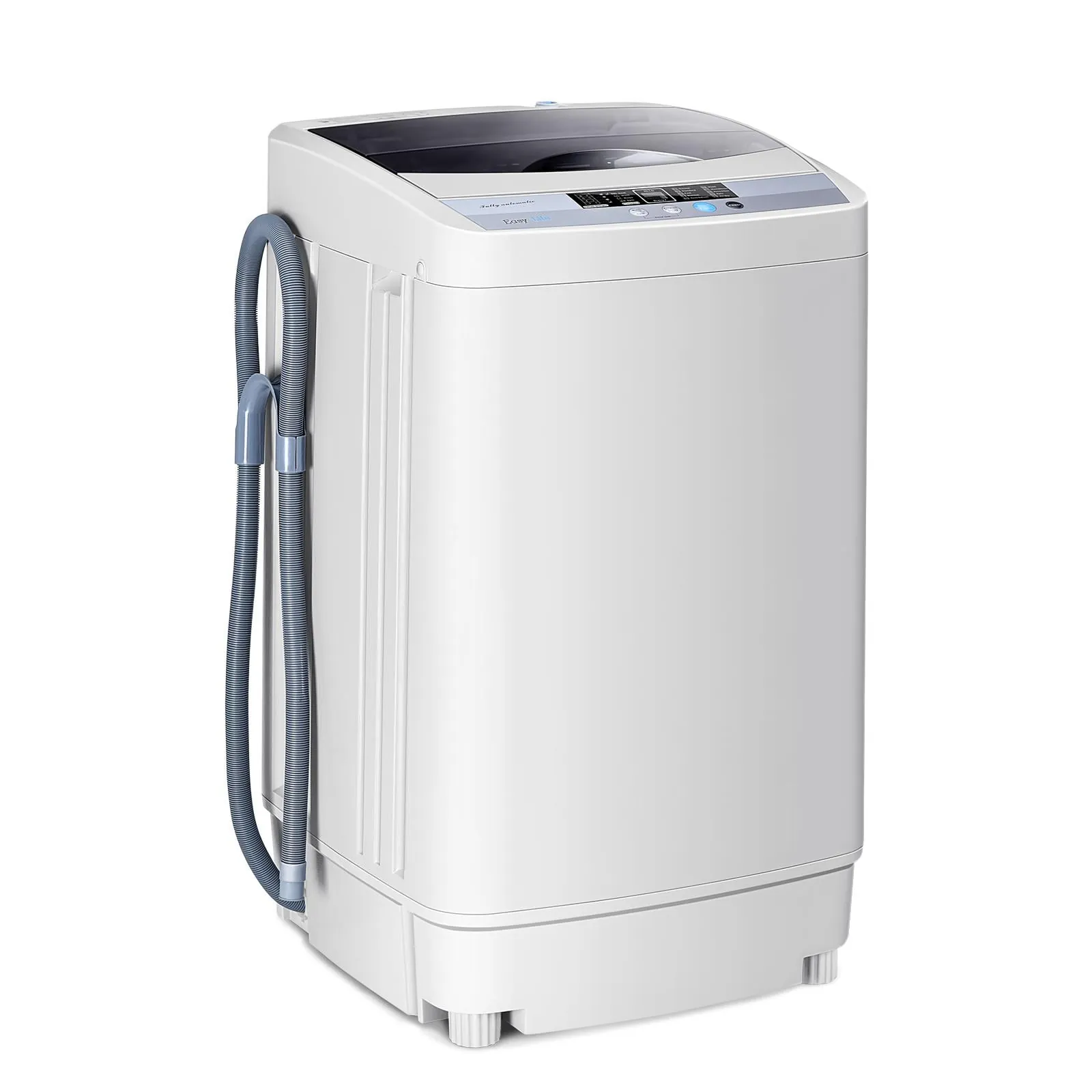
To keep your machine running smoothly, you should perform regular checks on the water lines and the drum area. If you’re currently ignoring small leaks or strange noises, you’re risking a total system failure that will be much more expensive to repair.
| If you’re doing this | Do this instead | Why |
|---|---|---|
| Leaving hose in drain | Remove after each use | Prevents accidental flooding |
| Overloading the tub | Weigh your laundry load | Prevents motor burnout |
| Using extension cords | Use a wall outlet | Prevents voltage drops |
| Ignoring vibrating noise | Rebalance the contents | Stops drum and sensor damage |
| Using high heat water | Use warm or cold water | Protects plastic seals and drum |
Most users mistake a minor vibration for a simple annoyance, but it’s often a sign of uneven weight distribution. If your machine walks across the floor during a cycle, stop it immediately and redistribute the load.
When checking your water lines, look for mineral buildup or discoloration at the connection points. If you see white crusting, replace the rubber gaskets immediately. The frequency of this inspection depends on your usage, so consult your owner’s manual for the recommended maintenance schedule.
Frequently asked questions
How long does a wash cycle usually take?
A full wash cycle typically lasts between 15 and 30 minutes, depending on your selected setting. This duration assumes your home water pressure is sufficient to fill the tub within five minutes. If your water pressure is low, the machine will take longer to fill.
Why is my machine leaking water from the bottom?
Leaking usually occurs because the drain hose connection is loose or the internal pump seal has failed. Check the hose clamp at the rear of the machine first to ensure it’s tight. If water comes from the base, the main tub seal may require professional repair.
Can I use this machine for heavy blankets?
No, you shouldn’t use this machine for heavy blankets because they exceed the small drum’s weight limit. A water-logged blanket can cause the machine to become dangerously unbalanced during the spin cycle. This may lead to the drum breaking its mounting or the machine tipping over.
Is it safe to leave the drain hose in the sink?
Yes, it’s safe to leave the drain hose in the sink if the end is secured to prevent it from jumping out. Use a clamp to hold the hose firmly against the sink side. If the hose moves, water will spray onto your floor.
What happens if the machine stops mid-cycle?
If the machine stops mid-cycle, it has likely triggered a safety mechanism due to an unbalanced load, an open lid, or a tripped breaker. Check that the lid is closed and the machine is level. If the machine still won’t restart, the motor may have overheated.
How often should I clean the lint filter?
You should clean the lint filter after every wash cycle to ensure the water drains freely. If you don’t clean the filter, debris will clog the drain pump, leading to slow drainage. Simply remove the filter, rinse it under running water, and snap it back into place.
Conclusion
Proper care of your portable washing machine depends entirely on keeping the drum balanced and the drainage path clear of debris. By following these basic steps, you can avoid the most common mechanical failures and extend the life of your appliance without needing a professional.
Related guides