
Is your Ryobi string trimmer acting up just when you need it most? You’re not alone.
When your trimmer won’t start, cuts unevenly, or the string won’t advance, it can quickly turn a simple yard task into a frustrating headache. But don’t worry—fixing these common problems might be easier than you think. In this guide, you’ll discover clear, step-by-step solutions to get your Ryobi string trimmer back to top performance.
Keep reading, and you’ll save time, avoid costly repairs, and enjoy a perfectly trimmed lawn without the hassle.
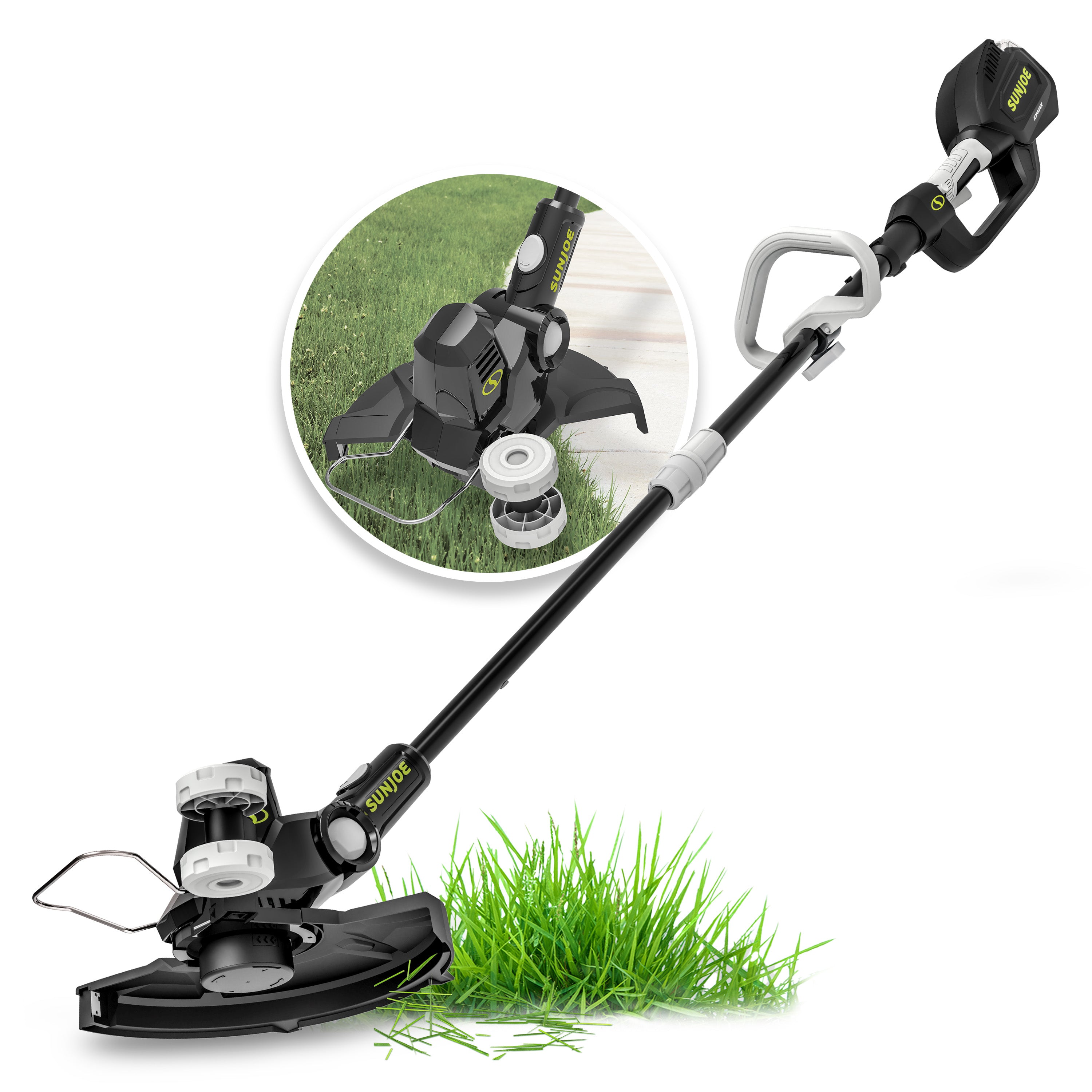
Common Ryobi String Trimmer Problems
Ryobi string trimmers are popular for yard care but can face some common problems. These issues can slow down your work and cause frustration. Knowing these problems helps you fix them faster. Here are some frequent troubles users face with Ryobi string trimmers.
String Not Advancing
The string may stop feeding out during use. This can happen if the spool is jammed or old line is tangled. Dirt or debris inside the head can block the string. Sometimes, the bump feed mechanism wears out or breaks. Cleaning the spool and replacing the line often solves this issue.
Engine Won’t Start
The trimmer may not start at all. This can happen due to a dead battery or no fuel in gas models. Dirty spark plugs or clogged air filters also stop the engine. Check the power source and clean or replace parts as needed. Proper storage helps prevent starting problems.
Trimmer Stalls During Use
The engine may run but then stop suddenly. Fuel flow problems or a dirty carburetor usually cause this. A blocked fuel line or bad spark plug can also lead to stalling. Keeping fuel fresh and cleaning parts regularly helps keep the trimmer running smoothly.
Excessive Vibration
Too much shaking can make the trimmer hard to control. This often happens if the cutting head is unbalanced or the string is uneven. Loose parts or worn bearings can increase vibration too. Tightening screws and checking the spool balance reduces shaking and improves comfort.
Line Breaking Frequently
The string may snap too often while trimming. Using the wrong line size or poor-quality string causes this. Hitting hard objects like rocks or fences also breaks the line. Using the correct line and trimming carefully helps prevent frequent breaks and saves time.
Fixing String Feed Issues
String feed problems are common with Ryobi string trimmers. These issues can stop your trimmer from working properly. Fixing them quickly gets your tool back in action. Most problems come from how the string feeds out of the spool. Simple steps can solve these issues fast. Let’s explore how to fix string feed problems easily.
Rewinding The Spool Correctly
Rewinding the spool the right way is key. Start by removing the spool from the trimmer. Pull out the old string completely. Cut a new piece of string to the correct length. Wind the string tightly and evenly on the spool. Follow the arrow on the spool for the winding direction. Avoid overlapping or loose winding. Secure the string ends in the spool notches. Place the spool back in the trimmer carefully.
Clearing Line Jams
Line jams block the string from feeding out. Remove the spool cover to check for jams. Look for tangled or stuck string inside the spool. Gently pull out any jammed string pieces. Use a small tool if the string is hard to reach. Clean any debris or dirt in the spool area. After clearing, rewind the spool correctly. Replace the cover and test the trimmer.
Using The Right Line Type
Using the correct string keeps your trimmer working well. Check your Ryobi model for the recommended string size. Avoid using thicker or thinner strings than suggested. Nylon string is common and works well for most tasks. Some jobs need special twisted or star-shaped string. Using the wrong type can cause feed problems. Always buy quality string for better performance and less wear.
Starting And Power Problems
Starting and power problems can stop your Ryobi string trimmer from working. These issues often cause frustration. Knowing the simple checks can save time and effort. This section guides you through basic steps to fix common starting and power troubles.
Checking The Fuel And Battery
For gas models, fresh fuel is key. Old fuel can cause the engine to stall or not start. Drain old fuel and add new, clean gasoline. For electric models, check the battery charge. A low battery will stop the trimmer from running. Charge the battery fully before use. Also, check battery contacts for dirt or corrosion. Clean them gently to ensure a good connection.
Cleaning The Spark Plug
A dirty or damaged spark plug blocks ignition. Remove the spark plug carefully. Check for dirt, carbon buildup, or wear. Clean the spark plug with a wire brush or replace it if damaged. Reinstall the spark plug tightly. A clean spark plug helps the engine start smoothly and run well.
Inspecting The Air Filter
The air filter stops dirt from entering the engine. A clogged air filter reduces power and causes starting issues. Remove the air filter cover and take out the filter. Clean it using warm water and mild soap if it is foam. Let it dry completely before reinstalling. Replace the filter if it is too dirty or torn. A clean air filter keeps your trimmer running strong.

Maintaining Smooth Operation
Maintaining smooth operation of your Ryobi string trimmer keeps it running well. Regular care prevents problems and extends the tool’s life. Simple checks and fixes help avoid costly repairs.
Focus on key areas like moving parts, loose components, and the trimmer head. These parts affect performance and safety. Let’s explore easy ways to keep your trimmer working smoothly.
Lubricating Moving Parts
Lubricate parts that move or spin often. Use light machine oil or grease as recommended in the manual. This reduces friction and wear on gears and shafts. A well-lubricated trimmer runs quietly and lasts longer.
Apply lubricant carefully to avoid dirt buildup. Clean parts first with a dry cloth. Repeat this process every few uses or after heavy work.
Tightening Loose Components
Loose screws or bolts cause vibration and damage. Check all nuts, bolts, and screws regularly. Use the right tools to tighten any loose parts firmly. Pay special attention to the handle and guard areas.
Loose components can make the trimmer unsafe. Tightening them improves control and comfort during use.
Balancing The Trimmer Head
An unbalanced trimmer head causes uneven cutting and strain on the motor. Remove the head and inspect it for damage. Replace worn parts like the spool or line if needed.
Reinstall the head carefully, ensuring it fits evenly. Spin it by hand to check balance. Proper balance reduces vibration and improves cutting performance.
Preventing Future Issues
Preventing future issues with your Ryobi string trimmer saves time and money. Simple care steps keep the trimmer working well. Regular attention stops small problems from growing. Follow easy routines to extend the life of your tool.
Regular Cleaning Tips
Clean the trimmer after every use. Remove grass and dirt from the head and guard. Wipe the exterior with a damp cloth. Avoid water near the motor and battery. Clear clogged areas to maintain smooth operation. Dry all parts before storing to prevent rust.
Proper Storage Practices
Store the trimmer in a dry place. Keep it away from direct sunlight and rain. Hang it or place it on a shelf to avoid damage. Remove the battery if not using for a long time. Charge the battery before storage for better life. Use a cover to protect from dust.
Routine Inspection Checklist
Check the trimmer before each use. Look for loose screws and tighten them. Inspect the cutting line and replace if worn. Test the trigger and safety switch for proper function. Examine the guard for cracks or damage. Ensure the battery fits tightly and holds charge.

Frequently Asked Questions
Why Is My Ryobi String Trimmer Not Starting?
Check the battery charge or fuel level first. Dirty air filters and spark plugs can also stop it from starting.
How Do I Fix A Ryobi String Trimmer That Stalls?
Look for a clogged fuel line or dirty carburetor. Cleaning these parts often solves the stalling issue quickly.
What Causes The String Trimmer Line To Break Often?
Using the wrong line size or hitting hard objects causes breaks. Replace with the correct line and avoid rocks or fences.
How Do I Replace The String On My Ryobi Trimmer?
Turn off the trimmer and remove the spool cap. Wind new line evenly and follow the spool’s direction marks.
Why Is My Ryobi String Trimmer Cutting Unevenly?
Uneven cutting usually means the line is worn or unevenly wound. Check the spool and replace the line if needed.
Conclusion
Troubleshooting your Ryobi string trimmer can save time and money. Simple checks often fix common problems quickly. Keep the trimmer clean and parts well maintained. Regular care helps the tool run smoothly. Always follow safety steps before starting repairs. Small fixes prevent bigger issues later.
Stay patient and take each step slowly. Your trimmer will work well again soon.