Is your steamer acting up just when you need it most? You’re not alone.
When your steamer won’t heat, leaks, or stops producing steam, it can throw off your entire routine. But don’t worry—fixing common steamer problems is easier than you think. You’ll discover simple, effective troubleshooting tips that save you time and frustration.
Ready to get your steamer back to perfect working order? Keep reading to find out how.
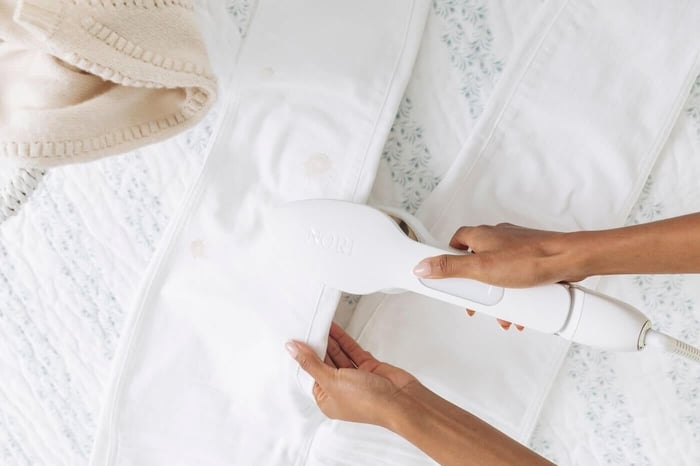
Common Steam Problems
Steamers are useful tools, but they can face common problems. These issues affect performance and user experience. Knowing how to spot and fix these problems saves time and effort.
No Steam Production
No steam means the steamer is not heating water. This could be due to a power issue or a broken heating element. Sometimes, the water tank may be empty or not properly attached. Check these parts first before trying other fixes.
Weak Steam Output
Weak steam makes cleaning harder and slower. This often happens if the water tank is low or dirty. Clogged steam holes also reduce steam flow. Cleaning the nozzle and filling the tank can improve steam strength quickly.
Water Leakage
Water leaks can cause damage and reduce steam quality. Leaks often come from a cracked tank or loose seals. Overfilling the tank may also cause water to spill. Inspect the tank and seals for damage or tightness.
Unusual Noises
Strange sounds signal a problem inside the steamer. These noises come from blockages or worn-out parts. Mineral buildup can cause rattling or hissing sounds. Cleaning the steamer and checking moving parts can stop the noise.
Basic Checks Before Repair
Before fixing a steamer, some basic checks save time and effort. These checks help find simple issues quickly. They prevent unnecessary repairs or part replacements. Start with easy steps to spot common problems.
Power Supply Verification
Check if the steamer is plugged in properly. Look for a loose or damaged power cord. Test the outlet with another device to confirm power availability. Make sure the power switch is turned on. A steady power supply is key for the steamer to work.
Water Tank Inspection
Remove the water tank and check for cracks or leaks. Ensure the tank has enough water for steaming. Clean the tank if you see dirt or mineral buildup. A clean and full water tank helps the steamer produce steam well.
Proper Assembly
Check all parts are correctly attached. Confirm the water tank fits securely in place. Make sure any removable parts click or lock as designed. Incorrect assembly can stop the steamer from working or cause leaks.
Fixing No Steam Issues
Steaming stops working. No steam comes out. This problem can be frustrating. Fixing no steam issues helps your steamer work again. Simple steps often solve the issue. Follow these easy tips to get steam flowing again.
Clearing Blocked Steam Vents
Steam vents can get blocked by dirt or mineral build-up. Check the vents carefully. Use a pin or needle to clear any clogs. Clean vents let steam pass freely. Always clean vents gently to avoid damage. Test the steamer after cleaning vents. Steam should flow smoothly again.
Descaling The Steamer
Mineral deposits inside the steamer reduce steam output. Descaling removes these deposits. Mix equal parts water and white vinegar. Fill the water tank with this mix. Run the steamer until half the liquid is gone. Turn off and let it sit for 30 minutes. Rinse the tank with clean water. This process clears mineral build-up inside.
Checking Heating Element
The heating element heats water to create steam. If it breaks, no steam will come out. Unplug the steamer and open the base. Look for signs of damage or burn marks. Use a multimeter to test for continuity. Replace the heating element if it is faulty. A working heating element is key for steam.
Improving Weak Steam Flow
Weak steam flow can reduce your steamer’s performance. It makes cleaning or cooking take longer. Fixing this problem is often simple. Small steps can boost your steamer’s steam output quickly.
Adjusting Water Levels
Check the water tank first. Too little water stops steam from forming well. Too much water can cause spills or blockages. Fill the tank to the recommended level. Use clean, fresh water for best steam.
Cleaning Mineral Build-up
Mineral deposits block steam vents and pipes. These deposits form from hard water. Clean your steamer regularly to remove build-up. Use vinegar or a descaling solution. Rinse well before using again.
Replacing Faulty Parts
Steam flow issues may come from broken parts. Check seals, valves, and heating elements for damage. Replace parts that look worn or cracked. Use parts made for your steamer model. This keeps your steamer working smoothly.
Stopping Water Leaks
Water leaks from a steamer disrupt your tasks and waste water. Stopping leaks saves water and keeps your device safe. Small leaks can cause big problems over time. Quick checks and fixes help maintain your steamer’s performance.
Sealing Loose Connections
Loose connections often cause water leaks in steamers. Check all hoses and fittings for gaps. Tighten any loose parts by hand or with a tool. Use plumber’s tape on threaded areas for a better seal. Replace damaged connectors to prevent leaks. Properly sealed connections stop water from escaping.
Inspecting Water Tank Gasket
The gasket seals the water tank to the steamer body. Look for cracks or wear on the gasket surface. A damaged gasket lets water drip during use. Remove the gasket carefully and clean any dirt. Replace it with a new gasket if it looks worn. A good gasket keeps water inside the tank.
Avoiding Overfilling
Overfilling the water tank leads to leaks and spills. Fill the tank only to the marked water level. Use a measuring cup or steady hand to avoid excess. Overfilled tanks cause water to escape from vents or seals. Follow the manufacturer’s water limit for safe use. Correct filling prevents water leaks and keeps your steamer working well.
Reducing Unusual Noises
Unusual noises from a steamer can be annoying and a sign of trouble. Reducing these sounds helps the steamer work better and last longer. Small fixes often stop the noise quickly. Here are some simple steps to try.
Tightening Loose Components
Loose parts can cause rattling or banging sounds. Check screws, bolts, and nuts on the steamer. Use a screwdriver or wrench to tighten any loose pieces. Tight parts reduce movement and noise. Regular checks keep the steamer quiet and safe.
Removing Scale Deposits
Scale buildup inside the steamer can cause strange noises. It blocks water flow and heats unevenly. Use a vinegar solution or a descaling product to clean the inside. Run the steamer with the cleaning solution, then rinse well. Clean steamers run smoothly and quietly.
Lubricating Moving Parts
Moving parts like hinges or valves can squeak or grind. Apply a small amount of lubricant to these areas. Use oil designed for steamers or machines. Lubrication reduces friction and noise. Repeat this regularly to keep the steamer running softly.
Maintenance Tips To Prevent Issues
Proper maintenance keeps your steamer working well for a long time. Small steps help avoid common problems and save repair costs. Follow these simple tips to keep your steamer in top shape.
Regular Cleaning Schedule
Clean your steamer after every few uses. Remove mineral buildup by running a vinegar-water mix through the system. Wipe the exterior with a soft cloth to keep it free from dust. Regular cleaning stops clogs and helps steam flow smoothly.
Using Distilled Water
Use distilled water in your steamer instead of tap water. Distilled water has fewer minerals that cause buildup inside. This reduces the risk of blockages and damage. Using the right water keeps your steamer running quietly and efficiently.
Proper Storage Practices
Store your steamer in a dry place after use. Empty all water before putting it away to prevent mold and rust. Keep the steamer upright to avoid leaks. Good storage helps your steamer stay ready for the next use.


Frequently Asked Questions
Why Is My Steamer Not Producing Steam?
Check if the water tank is empty or not placed correctly. Clean any mineral buildup blocking steam vents. Ensure the device is plugged in and turned on.
How Do I Fix A Steamer That Won’t Heat Up?
Make sure the power outlet works and the steamer is connected properly. Descale the steamer if there is mineral buildup inside. Wait a few minutes for the steamer to warm up.
What Causes Water To Leak From My Steamer?
Water leaks often happen if the tank is overfilled or not closed tightly. Using cold water can cause leaks; use warm water instead. Check for cracks or damage in the water tank.
How Can I Remove Mineral Buildup In My Steamer?
Fill the tank with equal parts white vinegar and water. Run the steamer until half the solution is used. Rinse with clean water and repeat if needed.
Why Does My Steamer Stop Working Suddenly?
The steamer may have an automatic shut-off for safety. Overheating or low water levels can cause it to stop. Let it cool down and refill the water tank before restarting.
Conclusion
Steamer problems can feel frustrating but are often simple to fix. Check the water level and clean the machine regularly. Make sure the power source works and the settings are correct. Small steps can save time and money. Keep your steamer in good shape for the best results.
With some care, your steamer will work well again. Don’t let small issues stop you from enjoying fresh, steamed food. Try these tips and enjoy easy steaming every time.