Is your printer acting up right when you need it most? You’re not alone.
Printer problems can be frustrating and slow down your work or projects. But don’t worry—most issues can be fixed quickly if you know where to look. In this guide, you’ll discover simple, effective troubleshooting tips that anyone can use. Whether your printer won’t print, jams paper, or shows error messages, you’ll find clear steps to solve the problem fast.
Keep reading, and take control of your printer troubles today.
Printer Won’t Turn On
A printer that won’t turn on can stop all your work. It feels frustrating and confusing. Before calling for help, try some simple checks. Many times, the problem is easy to fix.
Check Power Connections
Start by checking the power cable. Make sure it is plugged in tightly. Check both the printer and the wall socket. Try another socket to rule out power outlet issues. Look for any damage on the cable. A broken cable can stop the printer from turning on.
Inspect Power Button
Press the power button firmly. Sometimes it may stick or not register a press. Look for any dirt or debris around the button. Clean it gently if needed. Confirm the button lights up or makes a sound. No light or sound can mean a button problem.
Reset The Printer
Turn off the printer and unplug it. Wait for about one minute. This step helps clear minor errors or glitches. Plug it back in and press the power button. Watch for any signs of life. Resetting often fixes simple power issues.
Paper Jams
Paper jams are a common problem with printers. They stop your printing and cause frustration. Understanding how to fix paper jams helps save time and effort. This section guides you through simple steps to clear jams and prevent them.
Remove Jammed Paper Safely
Turn off the printer before touching any paper inside. Slowly pull the jammed paper out without tearing it. Use both hands to avoid ripping. Check inside the printer for small paper bits. Remove all pieces to stop future jams.
Check Paper Tray
Open the paper tray and see if the paper is loaded correctly. Make sure the stack is not too full. Align the paper guides so sheets fit snugly. Avoid overfilling the tray; this can cause jams. Always use clean, dry paper in the tray.
Use Correct Paper Type
Choose paper that matches your printer’s requirements. Avoid thick or glossy papers if not supported. Using wrong paper can lead to frequent jams. Check the printer manual for recommended paper types. Proper paper ensures smooth printing and fewer problems.
Poor Print Quality
Poor print quality can ruin important documents. Faded text, streaks, or blurry images make prints hard to read. Fixing these problems improves your printer’s output. Simple steps often solve print quality issues quickly.
Clean Print Heads
Print heads get clogged with dried ink or dust. Clogged heads cause lines and faded spots on prints. Most printers have a cleaning option in settings. Run the cleaning cycle to clear blockages. Repeat if the print quality does not improve. Manual cleaning may be needed for stubborn clogs.
Replace Ink Or Toner
Low or empty ink cartridges cause poor prints. Toner powder can run out or clump inside cartridges. Check ink or toner levels regularly. Replace cartridges that are empty or old. Use cartridges recommended by the printer maker. This ensures better print quality and fewer errors.
Adjust Print Settings
Incorrect print settings affect quality. Choose the right paper type in printer settings. Set print quality to high or best for sharp results. Adjust color balance if colors look off. Test prints help check if settings improve quality. Save settings for future printing jobs.
Connectivity Issues
Connectivity issues are common problems that stop printers from working properly. These problems can cause printers to not respond or fail to print documents. Many connectivity issues come from simple causes. Fixing them often requires only a few easy steps. Understanding these steps can save time and avoid frustration.
Check Cable Connections
Start by checking all cables connected to the printer. Make sure the USB or Ethernet cable is firmly plugged into both the printer and the computer. Loose or damaged cables can stop communication between devices. Try unplugging and plugging the cables back in. Use a different cable if the problem continues. This step often solves many printer connectivity problems.
Restart Router And Printer
Turn off both the printer and the router. Wait for about 30 seconds before turning them back on. Restarting refreshes the devices and clears temporary errors. This process helps restore the connection between the printer and the network. After restarting, check if the printer connects successfully. This simple action fixes many network-related printer issues.
Update Printer Drivers
Printer drivers are software that help the computer talk to the printer. Outdated or corrupted drivers can cause connection failures. Visit the printer manufacturer’s website to download the latest drivers. Install the new drivers and restart your computer. Updating drivers improves printer performance and fixes bugs. This step ensures the printer works smoothly with your system.
Slow Printing
Slow printing can be very frustrating. It delays your work and wastes time. Several issues can cause a printer to print slowly. Identifying the cause helps fix the problem quickly. Below are some simple steps to speed up your printer.
Clear Print Queue
A full print queue can slow down printing. Sometimes, old jobs get stuck and block new ones. Open your print queue and check for stuck jobs. Delete any unnecessary or paused print jobs. Clearing the queue allows your printer to start fresh. This simple step often speeds up printing.
Use Draft Mode
Draft mode uses less ink and prints faster. It lowers the print quality slightly, but speeds up the process. Change your printer settings to draft mode for quick prints. It works well for documents where high quality is not needed. This mode helps finish your print jobs faster.
Check Network Speed
Slow network connections cause delayed printing. If your printer is wireless, weak Wi-Fi affects speed. Test your network speed using online tools. Restart your router if the speed is low. Connect the printer via cable for better stability. A faster network improves printing performance significantly.
Printer Offline
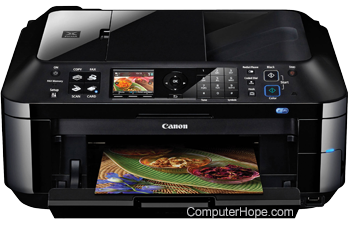
Seeing the message “Printer Offline” can stop your work suddenly. This issue means your computer cannot communicate with your printer. It can happen for many reasons. Fixing it usually takes just a few quick steps.
Set As Default Printer
Sometimes, your computer tries to send print jobs to a printer not in use. Setting your printer as the default helps. Open the Control Panel and go to Devices and Printers. Right-click your printer and select “Set as default printer.” This makes your printer the first choice for all print jobs.
Restart Print Spooler Service
The print spooler manages print jobs on your computer. If it stops working, the printer may show offline. To restart, press Windows + R, type “services.msc,” and press Enter. Find “Print Spooler” in the list. Right-click it and choose “Restart.” This refreshes the service and can clear the offline status.
Check Network Status
Network printers rely on a stable connection. Check if your printer is connected to the same Wi-Fi or Ethernet network as your computer. Look at the printer’s display for network status. Restart your router if the connection seems weak. A strong network link helps keep your printer online.
Error Messages
Computer printers often show error messages during use. These messages help identify what is wrong. Understanding them can save time and reduce frustration. They usually appear on the printer screen or your computer.
Error messages vary from simple alerts to complex codes. Knowing what these messages mean helps fix issues faster. Some errors are easy to solve. Others need more attention or support.
Interpret Common Codes
Many printers use specific codes to show errors. Codes like “E01,” “Paper Jam,” or “Ink Low” are common. Check your printer manual for code meanings. This step helps you understand the problem clearly. It avoids guessing and saves repair time.
Reset Error States
Resetting the printer can clear many error messages. Turn off the printer and unplug it. Wait for about a minute. Plug it back in and turn it on. This process refreshes the printer’s memory. It often removes minor errors and glitches.
Consult Manufacturer Support
If errors persist, contact the printer maker’s support team. They provide detailed help for specific problems. Use their website, phone, or chat services. Keep your printer model and error code ready. This makes the support process faster and easier.
Wireless Printing Problems
Wireless printing problems can cause major disruptions at home or work. Printers may fail to connect, print jobs might not start, or the device may show offline status. Simple fixes often solve these issues quickly. Understanding basic troubleshooting steps saves time and frustration.
Verify Wi-fi Connection
Check if the printer and computer connect to the same Wi-Fi network. A different network can block communication. Restart the Wi-Fi router to refresh connections. Ensure the printer shows a strong signal. Weak or no signal causes printing failures.
Reinstall Wireless Drivers
Outdated or corrupted drivers often cause wireless printing issues. Uninstall the current printer drivers from your computer. Download the latest drivers from the printer manufacturer’s website. Follow the installation steps carefully. Restart the computer after installation to apply changes.
Use Printer’s Mobile App
Many printers offer a mobile app for easier printing. Download the app from your device’s app store. Connect the printer to the app following the instructions. The app can help send print jobs and check printer status. It often bypasses common wireless connection problems.
Frequently Asked Questions
Why Is My Printer Not Printing At All?
Check if the printer is turned on and connected to your computer. Also, ensure there is enough paper and ink. Restarting the printer often helps fix the issue.
How Do I Fix Paper Jams In My Printer?
Open the printer cover gently and remove any stuck paper carefully. Avoid tearing the paper inside. Regular cleaning can prevent future jams.
What Causes Blurry Or Faded Printouts?
Low ink or toner levels often cause poor print quality. Check ink cartridges and replace them if needed. Also, clean the print heads for better results.
Why Does My Printer Show “offline” Status?
The printer might be disconnected from your computer or Wi-Fi. Confirm all cables are secure, or reconnect to your wireless network. Restarting devices can solve this problem.
How Can I Improve Slow Printing Speed?
Slow printing can result from large files or low memory. Close unused programs and reduce print quality settings to speed up printing. Regular updates help maintain performance.
Conclusion
Troubleshooting your printer can save time and reduce stress. Check cables and connections first. Restart both your computer and printer. Clear any paper jams carefully. Update or reinstall printer drivers if needed. Keep your printer clean and well-maintained. These simple steps often fix common issues.
Stay patient and follow each step slowly. Your printer will likely work well again soon. Keep this guide handy for future problems. Printing should be easy and smooth. Don’t let small issues stop your work.