If your machine is silent or humming but no water enters, effective dishwasher won’t fill with water troubleshooting starts by checking if the door is fully latched or if the water supply valve behind the kickplate is turned off. Most modern units require a signal from the door switch to activate the inlet valve. If the door is secure, the most common cause is a clogged inlet screen or a failed water inlet valve. Always turn off the power at the circuit breaker before looking near electrical components under the machine.
Troubleshooting dishwasher water fill issues
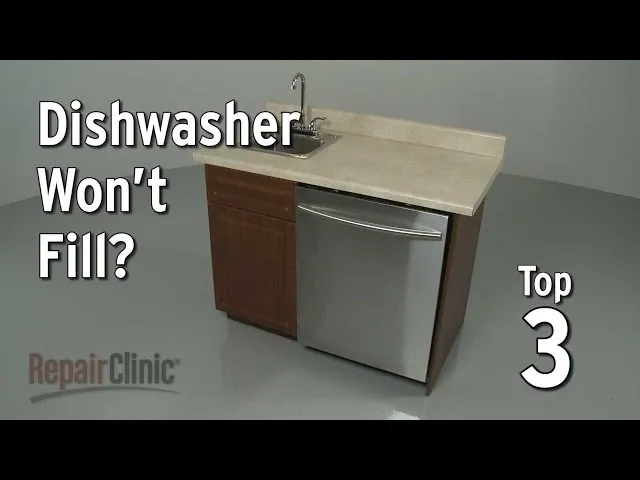
The most frequent reason for this issue is a restriction in the water flow or a mechanical failure of the inlet valve. Your dishwasher relies on a solenoid-operated valve to open and allow water from your home pipes into the tub. If this valve is stuck, or if the small filter screen inside it’s blocked by mineral deposits or debris, the machine will wait indefinitely for water that can’t pass through.
Another common cause is a faulty door latch assembly. The dishwasher control board is programmed to prevent the fill cycle from starting unless the door is confirmed as locked. If the latch is loose or the switch inside it has failed, the control board won’t send the electrical signal to the water inlet valve.
In some cases, the float switch at the bottom of the tub may be stuck in the “up” position, which tells the machine it’s already full, even when it’s dry. You can check this by gently lifting and releasing the plastic float dome; if it stays down, it’s likely working.
Finally, consider the water supply line itself. If the valve under your sink was recently bumped or if the supply hose is kinked, water can’t reach the machine. If you have recently performed plumbing work, there may be air trapped in the line or the shut-off valve may not be fully open. If none of these simple checks resolve the problem, the issue is likely a failed internal electronic component or a broken control board.
Inspect the water supply line
This step is for those who want to rule out simple plumbing blockages before calling for professional help. Start by locating the water shut-off valve under your kitchen sink or near the dishwasher connection. Ensure the handle is turned completely to the open position. If the valve feels stiff, don’t force it, as older valves can leak if turned too aggressively.
Next, check the area behind the dishwasher kickplate for any visible leaks or kinks in the supply hose. If the hose is bent at a sharp angle, the water pressure will be too low to trigger the inlet valve.
If you suspect a blockage, you’ll need to disconnect the supply line from the valve and check for flow. This is a task that requires basic tools and caution; if you aren’t comfortable working with household plumbing, it’s best to contact a licensed plumber.
If the supply line is clear and the valve is open, the machine still refusing to fill suggests a component failure. If the dishwasher makes no sound at all during the fill phase, the problem is often electrical. If it makes a loud buzzing or clicking noise but no water enters, the inlet valve is likely trying to open but is physically stuck or blocked.
Test the door latch assembly
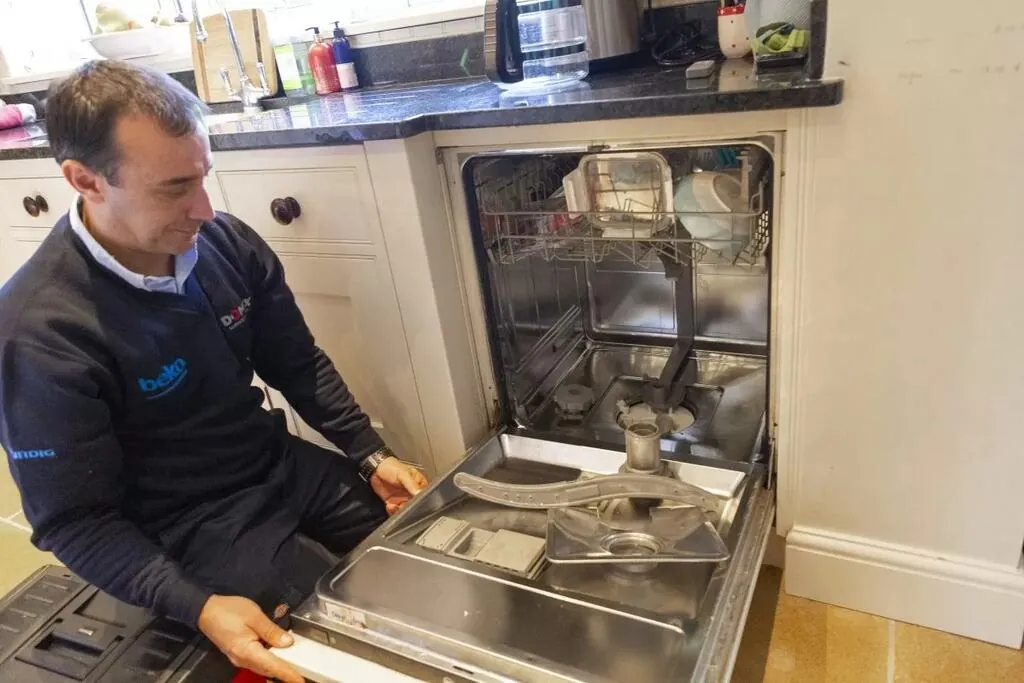
The door latch is a critical safety point that prevents the machine from running while open. If the latch doesn’t click firmly, the control board assumes the door is ajar and disables the fill cycle to prevent flooding. You can test this by applying firm pressure to the door while the machine is running. If the cycle begins or the water starts flowing when you hold the door shut, the latch mechanism is likely worn or misaligned.
If you see a “door open” error code on your display, this confirms the sensor isn’t detecting the lock. To fix this, inspect the strike plate on the top of the cabinet where the latch connects. If it’s loose, tighten the mounting screws. If the latch itself is broken, it will need to be replaced by a qualified technician, as it involves working with the door’s internal wiring.
This fix isn’t for those who are uncomfortable working with small, internal components. If the latch appears physically intact but the machine remains unresponsive, the switch inside the door may have failed. Don’t attempt to bypass the door switch, as this is a safety feature designed to prevent hot water from spraying into your kitchen. If the latch is the culprit, you’ll need to check your manufacturer’s official support site for specific part numbers or service guidance.
Reset the control board
Sometimes the dishwasher’s internal computer experiences a glitch that prevents it from signaling the inlet valve. A simple power reset can often clear these errors. To perform this, turn off the dishwasher at the circuit breaker for at least 10 minutes. This allows the capacitors on the control board to discharge fully and resets the machine’s memory.
After 10 minutes, restore the power and try to run a short cycle. If the machine begins to fill, the issue was a temporary electronic error. If the problem returns immediately or after a few cycles, there may be a deeper issue with the control board or a sensor that’s failing intermittently.
This isn’t for cases where you can hear a constant, loud mechanical grind or smell burning plastic, as these indicate a hardware failure that a reset won’t fix. If the reset doesn’t work, don’t repeat it, as you may be masking a more serious electrical issue. If the machine remains silent after the reset, you likely need a professional technician to diagnose the control board or the wiring harness.
What not to do
Don’t pour water into the tub manually to “prime” the pump. This doesn’t help the inlet valve open and can lead to overfilling or damage to the pump motor. If you suspect an airlock, simply run a drain cycle first to clear the line before starting a new wash.
Don’t use a wire or needle to poke inside the inlet valve nozzle. You can easily damage the internal rubber diaphragm, which will cause the valve to leak or fail permanently. If the nozzle is clogged with mineral buildup, use a soft toothbrush and white vinegar to gently dissolve the obstruction instead.
Don’t attempt to open the control board housing or touch internal wiring. These areas carry high voltage and require professional diagnostic tools to handle safely. If the display is blank, check your home’s circuit breaker panel for a tripped switch before assuming the board has failed.
Don’t assume the water supply is fine just because the sink faucet works. The dishwasher often has a separate branch line that can be blocked or closed independently of the sink. Always verify the shut-off valve under the cabinet is fully open.
How to stop it happening again
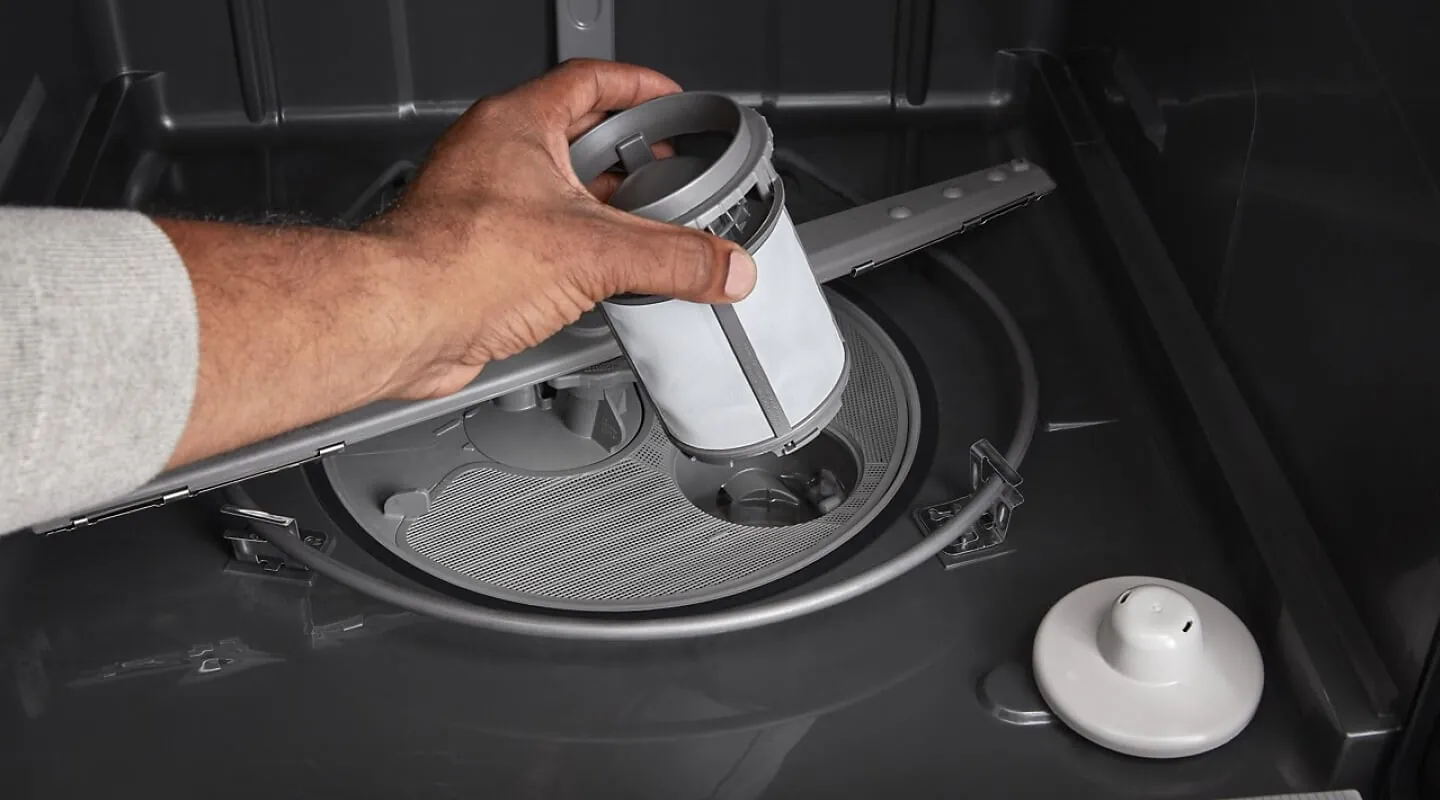
To keep your machine running, you must ensure the water supply is clean and the door mechanism is treated with care. Heavy slamming of the door can cause the latch to lose alignment over time, leading to sensor failures.
| If you’re doing this | Do this instead | Why |
|---|---|---|
| Slamming the door shut | Close it gently until it clicks | Protects the latch and sensor |
| Using high-heat cycles only | Alternate with regular cycles | Reduces mineral build-up in valves |
| Ignoring slow fill times | Clean the inlet screen yearly | Prevents total valve blockage |
| Leaving debris in the tub | Scrape plates before loading | Keeps the float switch moving |
Frequently asked questions
Can a dirty filter cause the dishwasher to not fill?
Yes, a dirty filter in the water inlet valve can restrict flow. The secondary mesh screen inside the valve is prone to clogging from mineral deposits. You should check this screen if you suspect the water supply is restricted at the source.
Is it safe to fix a dishwasher water valve myself?
No, it isn’t recommended to replace the valve yourself if it requires removing internal panels. The valve is connected to pressurized plumbing and electrical solenoids, which can cause major leaks if installed incorrectly. Hire a professional to ensure connections are safe.
How long does a dishwasher inlet valve usually last?
Units in areas with hard water may fail sooner due to mineral scale build-up inside the mechanism. Check your owner’s manual for specific lifespan estimates.
Why does my dishwasher make a buzzing sound but not fill?
A buzzing sound indicates the electrical signal is reaching the inlet valve, but the valve is unable to open. This usually happens if the valve is stuck shut due to debris or a failed solenoid. This confirms the fault is the valve itself.
How much does it cost to fix a dishwasher that won’t fill?
Repair costs vary based on whether you need a simple adjustment or a full replacement of the inlet valve. If a professional must replace the valve or control board, you’ll pay for both parts and labor. Always request a written estimate before authorizing repairs.
Conclusion
If you have tried the steps above and the dishwasher still fails to take in water, you have likely reached the limit of DIY troubleshooting. At this stage, the issue is almost certainly a failed solenoid, a faulty control board, or a damaged wire that requires professional tools to diagnose. Contact the manufacturer’s service department or a licensed appliance repair technician to avoid damaging the machine further or risking a water leak.