Dealing with a sagging vehicle or a compressor that refuses to stop running is a common frustration for owners, and proper ford expedition air suspension troubleshooting is essential to avoiding costly secondary damage. Repair costs for these systems typically range from $800 to $3,500 depending on whether you replace individual air springs or convert the entire system to traditional steel coil springs. Understanding the underlying mechanics of your vehicle’s ride height management system will help you determine if the issue is a simple electrical fault or a mechanical failure requiring professional intervention.
Key Takeaways
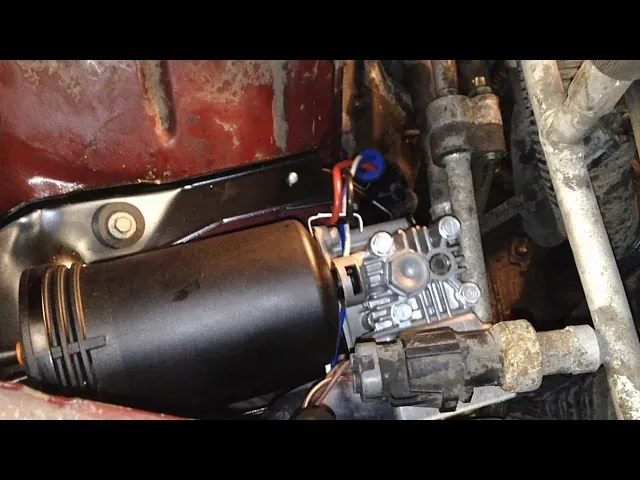
- Listen for the air compressor; if it runs constantly, you likely have a leak in a bag or line.
- Check the air suspension switch located inside the cabin to ensure it wasn’t accidentally toggled off.
- Inspect the vehicle for uneven ride height, which usually points to a failed air spring or solenoid.
- Prioritize checking the 50-amp fuse and the suspension relay before purchasing expensive replacement parts.
- Consider a conversion kit if you prefer long-term reliability over the original factory ride quality.
Safety: Inside a mains-powered machine, the parts behind the outer cover can hold a dangerous electrical charge even after it has been unplugged — that’s why they sit behind a cover. Opening the housing, or testing or replacing anything behind it, is a job for a qualified technician, never a home repair.
Is Your Suspension System Leaking?
The most frequent cause of failure in these vehicles is a dry-rotted air spring. Over time, the rubber components lose their elasticity, leading to small pinhole leaks that force the compressor to work overtime. If you notice your vehicle sitting lower than usual after it has been parked overnight, the air suspension system is likely losing pressure.
To verify a leak, use a spray bottle filled with a mixture of dish soap and water. With the vehicle raised on jack stands for safety, spray the air bags and all visible connection points. If you see bubbles forming, you have identified a leak. You should also inspect the air lines for any signs of chafing or cracking caused by road debris.
How to Test the Compressor
The compressor is the heart of the system. If it fails to turn on, the vehicle will remain at its lowest setting, resulting in a harsh ride. First, locate the suspension relay in the power distribution box under the hood. A stuck or burnt relay is a common point of failure that prevents the compressor from receiving power.
If the relay is functioning, check the compressor motor itself. You can bypass the relay briefly to see if the motor spins; if it remains silent, the internal brushes or the motor winding may be burnt out. Always ensure the suspension system switch is in the “on” position before assuming the compressor is dead, as this is a frequent oversight during basic maintenance.
| Component | Common Symptom | Typical Repair Cost |
|---|---|---|
| Air Spring | Uneven ride height | $300 – $800 |
| Air Compressor | No lift, loud noise | $400 – $1,200 |
| Height Sensor | Erratic leveling | $150 – $400 |
| Suspension Relay | Compressor won’t start | $20 – $80 |
Diagnosing Height Sensor Issues
Your vehicle relies on height sensors located at each wheel to tell the computer when to add or release air. If one sensor reports incorrect data, the system may struggle to level the vehicle or throw a “Check Suspension” light on the dashboard. These sensors are exposed to harsh road elements, including salt, mud, and water, which can corrode the internal wiring or the arm linkage.
Warning: Never attempt to service or remove air suspension components without first disabling the system via the interior switch or disconnecting the battery, as sudden pressure releases can cause severe injury.
Inspect the wiring harness leading to each sensor for frayed wires or oxidation. If the physical linkage appears bent or disconnected, the sensor will be unable to read the ride height accurately. Cleaning the electrical connector with a contact cleaner can sometimes resolve intermittent sensor signal errors without needing a full replacement.
Inspecting the Solenoid Valves
Each air spring is controlled by an individual solenoid valve. These valves open to allow air in or out based on commands from the suspension control module. If a valve sticks in the open position, the air bag will deflate completely, and the compressor may be unable to compensate for the rapid loss of pressure.
If you suspect a solenoid issue, listen closely to the wheel well while the system is attempting to level. You should hear a distinct clicking sound. If you hear no sound, the solenoid coil may be faulty, or the electrical signal isn’t reaching the valve. In many cases, replacing the O-rings on the solenoid can stop a slow leak that mimics a failed air bag.
Understanding the Control Module
The suspension control module acts as the brain of the operation. While it rarely fails, it can store diagnostic trouble codes that provide specific clues about which component is malfunctioning. Utilizing a diagnostic scan tool that supports Ford-specific chassis codes is the most efficient way to pinpoint the exact source of a fault.
Pro Tip: If you’re struggling to find a persistent leak, leave the vehicle in “jack mode” or turn off the air suspension switch overnight; if the vehicle stays level, the leak is likely in the air delivery system rather than the air springs themselves.
Check for loose grounds or damaged harnesses near the module, which is typically tucked behind the interior trim panels. Moisture intrusion into the module housing can also cause unpredictable behavior. According to the National Highway Traffic Safety Administration, maintaining proper vehicle suspension geometry is critical to ensuring that your electronic stability control systems function as designed during emergency maneuvers.
When to Consider a Conversion
If your vehicle is high-mileage and you’re tired of constant repairs, a suspension conversion kit is a popular alternative. These kits replace the electronic air bags with traditional steel coil springs and shock absorbers. This eliminates the need for a compressor, sensors, and solenoids entirely.
Many owners choose this path because it offers a “fix it once” solution that removes the complexity of the factory system. While you’ll lose the automatic load-leveling feature, the coil spring conversion provides a consistent, reliable ride height that’s impervious to the leaks that plague aging air suspension components.
Troubleshooting Ford Expedition Air Suspension Circuits
Corrosion at the main electrical connector to the compressor is another frequent culprit. Over years of driving, moisture can cause the pins to oxidize, increasing resistance and preventing the compressor from reaching the necessary amperage to function. Cleaning these pins with a wire brush and applying dielectric grease can often restore connectivity and extend the life of your original hardware.
Common Tools for Repairs
Having the right tools will make the process much smoother. You don’t need a professional shop setup, but a few specific items are essential for safely working on high-pressure systems.
- Floor jack and jack stands: Never work under a vehicle supported only by the air suspension.
- Diagnostic scanner: Must be capable of reading body and chassis codes.
- Soap and water solution: For tracing elusive leaks in air lines.
- Metric socket set: For removing mounting bolts on sensors and compressors.
- Dielectric grease: To protect electrical connections from future moisture damage.
Frequently Asked Questions
Why does my air suspension light stay on?
The light typically indicates that the control module has detected a fault, such as a compressor that runs too long, a malfunctioning sensor, or a communication error between components. It’s a safety measure to inform the driver that the automatic leveling system is disabled. You should have the system scanned for diagnostic trouble codes to identify which specific component has triggered the warning light.
Can I drive with a deflated air bag?
Driving with a deflated air bag isn’t recommended. It can cause the vehicle to bottom out, leading to damage to the frame, tires, and other suspension components. Additionally, the handling and braking performance of the vehicle will be severely compromised, making it dangerous to operate on public roads. If the vehicle is sitting on the bump stops, have it towed or repaired immediately.
How do I know if the compressor is burnt out?
If you have verified that the relay is working and the fuse is intact, but the compressor remains silent when the system calls for air, the motor is likely dead. You can test this by applying 12 volts directly to the compressor motor terminals. If the motor doesn’t spin, the internal components have failed, and the unit must be replaced to restore air pressure.
Does the air suspension affect alignment?
Yes, the ride height directly influences the alignment settings of your vehicle. If your suspension is sagging or has been improperly repaired, your camber, caster, and toe settings will be incorrect. This leads to premature tire wear and poor handling. Once you repair the air suspension and the vehicle is back at the correct factory ride height, it’s essential to have a professional four-wheel alignment performed.
Is it cheaper to repair or convert?
Repairing the factory system is usually cheaper if only one component, like a single air spring or a relay, has failed. However, if the entire system is aging and multiple parts are failing, a conversion kit is often more cost-effective in the long run. Conversion kits eliminate the ongoing maintenance costs associated with compressors and sensors, providing a permanent, lower-cost solution for the life of the vehicle.
Conclusion
Once you have identified the specific component causing the issue, perform a final inspection of all related connections to ensure no other leaks or electrical faults are present. If you’re confident in your mechanical ability, order the necessary parts from a reputable supplier and follow the installation instructions carefully to restore your vehicle’s ride quality and safety.