If your hotel or residential unit has stopped maintaining the desired climate, you’re likely looking for a comprehensive guide on friedrich ptac troubleshooting to restore comfort. Packaged Terminal Air Conditioner units are robust machines, but they often experience operational hiccups due to filter clogs, thermostat calibration errors, or power supply interruptions. Understanding the diagnostic process allows you to determine whether a simple reset will suffice or if you require professional intervention for a component failure.
Key Takeaways
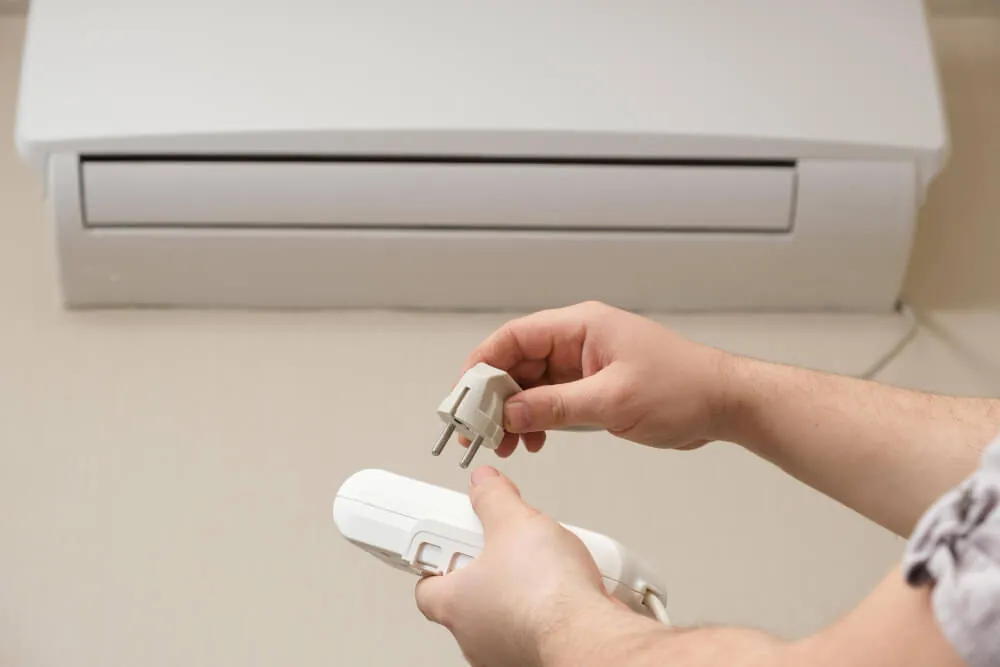
- Check the primary circuit breaker and the GFCI plug for power interruptions before assuming a mechanical failure.
- Clean or replace air filters every 30 days to prevent airflow restrictions that cause frozen coils.
- Verify that the thermostat settings match the mode (Cool, Heat, or Fan) to prevent conflicting sensor readings.
- Ensure the outdoor intake vents are free of debris, leaves, or bird nests to maintain heat exchange efficiency.
- Use the unit’s onboard diagnostic light codes to pinpoint specific sensor or motor errors.
Safety: Inside a mains-powered machine, the parts behind the outer cover can hold a dangerous electrical charge even after it has been unplugged — that’s why they sit behind a cover. Opening the housing, or testing or replacing anything behind it, is a job for a qualified technician, never a home repair.
Is My Unit Getting Power?
The most frequent issue reported by owners is a total lack of response from the control panel. Before diving into complex repairs, always verify the electrical supply. The power cord assembly on many PTAC units features a built-in leakage current detection device, often identified by a “Test” and “Reset” button.
- Check the wall outlet to ensure the plug is pushed in firmly.
- Inspect the circuit breaker in your electrical panel to ensure it hasn’t tripped.
- Press the “Reset” button on the unit’s power cord plug to clear any ground fault triggers.
Pro Tip: If the unit has power but the display is blank, check for a loose ribbon cable connection behind the control panel cover, which can sometimes vibrate loose over time.
Diagnosing Airflow and Filter Issues
If the unit is running but failing to change the temperature in the room, the culprit is often restricted airflow. When air can’t pass through the evaporator coil, the unit may cycle off prematurely or form ice on the internal components.
| Component | Frequency of Action | Expected Result |
|---|---|---|
| Air Filters | Every 30 Days | Consistent airflow and cooling |
| Intake Vents | Once per Season | Improved heat exchange efficiency |
| Blower Wheel | Once per Year | Reduced noise and vibration |
| Evaporator Coil | As Needed | Faster temperature regulation |
Ensure that no heavy curtains, furniture, or decorative items are blocking the front intake or the discharge grille. If the airflow feels weak even with a clean filter, the blower motor assembly may be obstructed by dust accumulation, which requires a professional cleaning.
Troubleshooting Friedrich PTAC Error Codes
Modern Friedrich units often utilize a series of flashing LED lights or alphanumeric codes on the digital display to indicate a fault. These codes are designed to protect the compressor and internal electronics from damage during abnormal operation.
- E1 or E2: Typically indicates a sensor failure, usually the return air sensor or the outdoor coil sensor.
- E3 or E4: Often points to an indoor coil sensor issue or a potential freeze-up condition.
- F1 or F2: Frequently relates to a communication error between the control board and the user interface.
Note that some codes require the unit to be fully powered down for at least 60 seconds to clear the memory before the system will attempt a restart.
Is The Compressor Running Correctly?
When the unit blows air but it remains at room temperature, the compressor might not be engaging. This can be caused by a delayed start timer, a faulty capacitor, or a tripped high-pressure switch.
- Wait for the timer: Most units have a three-minute delay to prevent compressor damage during short-cycling.
- Listen for the click: You should hear a distinct relay “click” followed by a low hum when the compressor kicks in.
Warning: The capacitor retains a high-voltage charge even when the unit is unplugged. Never attempt to touch or replace electrical components unless you have specific training in high-voltage HVAC repair.
How to Clean the Coils
Dust, salt air, and general grime can coat the aluminum fins of the outdoor condenser coil. When these fins are clogged, the unit can’t reject heat properly, leading to high head pressures and potential system shutdowns.
- Turn off and unplug the unit entirely.
- Remove the front cabinet panel to access the indoor components.
- Use a soft brush or a vacuum with a brush attachment to remove surface dust.
- For the outdoor coil, use a fin comb to straighten any bent fins that might be restricting airflow.
Regular maintenance of these coils significantly extends the lifespan of the compressor and reduces your overall energy consumption.
Common Thermostat and Sensor Problems
The thermostat is the “brain” of your climate control system. If the unit seems to ignore your set point, the temperature sensing bulb or electronic thermistor may be positioned incorrectly.
- Ensure the sensor isn’t touching the cold evaporator coil.
- Make sure the sensor isn’t being influenced by a heat source, such as a nearby lamp or direct sunlight.
- Verify that the remote thermostat, if installed, has fresh batteries and a clear signal path.
If the unit is calibrated incorrectly, it may think the room is warmer or cooler than it actually is, causing the compressor to cycle inappropriately.
Dealing With Unusual Noises
Noise complaints generally stem from mechanical wear or debris. A rattling sound often indicates that the unit isn’t level in the wall sleeve.
- Leveling the unit: Use a bubble level to ensure the unit has a slight pitch toward the outside to allow condensation to drain properly.
- Tightening fasteners: Check all visible screws on the cabinet panels to ensure they haven’t vibrated loose.
- Blower wheel debris: A thumping sound usually means something is stuck in the blower wheel or it has become unbalanced due to heavy dust buildup.
If the noise is a high-pitched squeal, the motor bearings may be failing, which is a sign that the unit requires a professional inspection to prevent a total motor seizure.
Moisture and Drainage Issues
Water leaking inside the room is a common source of frustration. This usually happens when the internal drain pan is clogged with algae or debris, or when the unit is tilted inward.
- Clear the drain holes: Ensure the external drain path is clear of leaves and dirt.
- Check the pitch: The unit must be installed with a slight downward angle toward the exterior of the building.
- Inspect the base pan: Ensure there are no cracks in the plastic base pan that could allow water to bypass the drain system.
Troubleshooting Remote Control Connectivity
If the unit works manually but the remote is unresponsive, the issue is rarely the air conditioner itself. Focus on the signal transmission path.
- Replace the batteries in the remote with fresh alkaline cells.
- Clean the infrared transmitter window on the remote and the receiver window on the unit.
- Check for line-of-sight obstructions between the remote and the unit.
- Perform a hard reset by unplugging the unit, waiting two minutes, and plugging it back in to “re-pair” the control logic.
Why Is My Unit Short Cycling?
Short cycling occurs when the compressor turns on and off too frequently. This is inefficient and puts extreme stress on the electrical components.
- Oversizing: If the unit is too large for the room, it will cool the air down instantly and trip the sensor before the humidity is removed.
- Thermostat placement: If the return air is hitting the thermostat sensor too quickly, it will shut off the unit prematurely.
- Voltage drops: If the building’s electrical supply is unstable, the unit may be dropping out to protect itself from low voltage.
Frequently Asked Questions
Why does my unit smell like mildew?
A mildew smell typically indicates that moisture is trapped in the base pan or on the evaporator coils, promoting mold growth. Clean the air filter, use an evaporator coil cleaner, and ensure the unit is tilted slightly toward the outside to allow water to drain properly. If the smell persists, the blower wheel may need to be professionally removed and sanitized to eliminate trapped debris.
How often should I replace the air filter?
For optimal performance and air quality, you should check your air filter every 30 days. In environments with high amounts of dust, pet dander, or construction nearby, you may need to replace or clean the filter every two weeks. A clogged filter is the most common cause of frozen coils and reduced cooling capacity in PTAC units.
Can I fix a frozen evaporator coil myself?
You can resolve a minor freeze-up by turning the unit to “Fan Only” mode to melt the ice. Once the ice is gone, verify that the filter is clean and the airflow is unrestricted. If the coil freezes again despite a clean filter, you likely have a refrigerant leak or a failing fan motor, both of which require a licensed HVAC technician to repair.
Is it normal for the fan to run constantly?
Yes, many units have a “Fan Continuous” setting. If your unit is set to this mode, the fan will remain on even when the compressor isn’t cooling or heating. To change this, look for the “Fan Cycle” or “Auto” setting on your control panel. In “Auto” mode, the fan will only run when the compressor is actively heating or cooling the room.
What should I do if the unit won’t turn on at all?
First, check the circuit breaker in your electrical panel. If the breaker is fine, locate the power cord assembly and press the “Reset” button on the GFCI plug. If the unit remains unresponsive, verify that the wall outlet itself has power by plugging in another appliance. If the outlet works but the PTAC does not, the internal control board or fuse may have failed.
Conclusion
Regular maintenance is the best way to ensure your climate control remains reliable throughout the seasons. By keeping your filters clean, ensuring the unit is properly leveled, and responding quickly to error codes, you can prevent most major malfunctions. If you have exhausted these troubleshooting steps and the unit still fails to perform correctly, contact a certified HVAC technician to inspect the refrigerant levels and electrical components.