To restore cooling when you’re performing frigidaire refrigerator troubleshooting not cooling, check the condenser coils for dust buildup, as this is the most common reason for a sudden drop in temperature. If the coils are clean, the issue often stems from a blocked air vent or a failed door seal. You can address these simple hardware checks yourself without specialized tools. If these steps don’t lower the temperature within 24 hours, contact a professional technician for further inspection.
Why your refrigerator stopped cooling
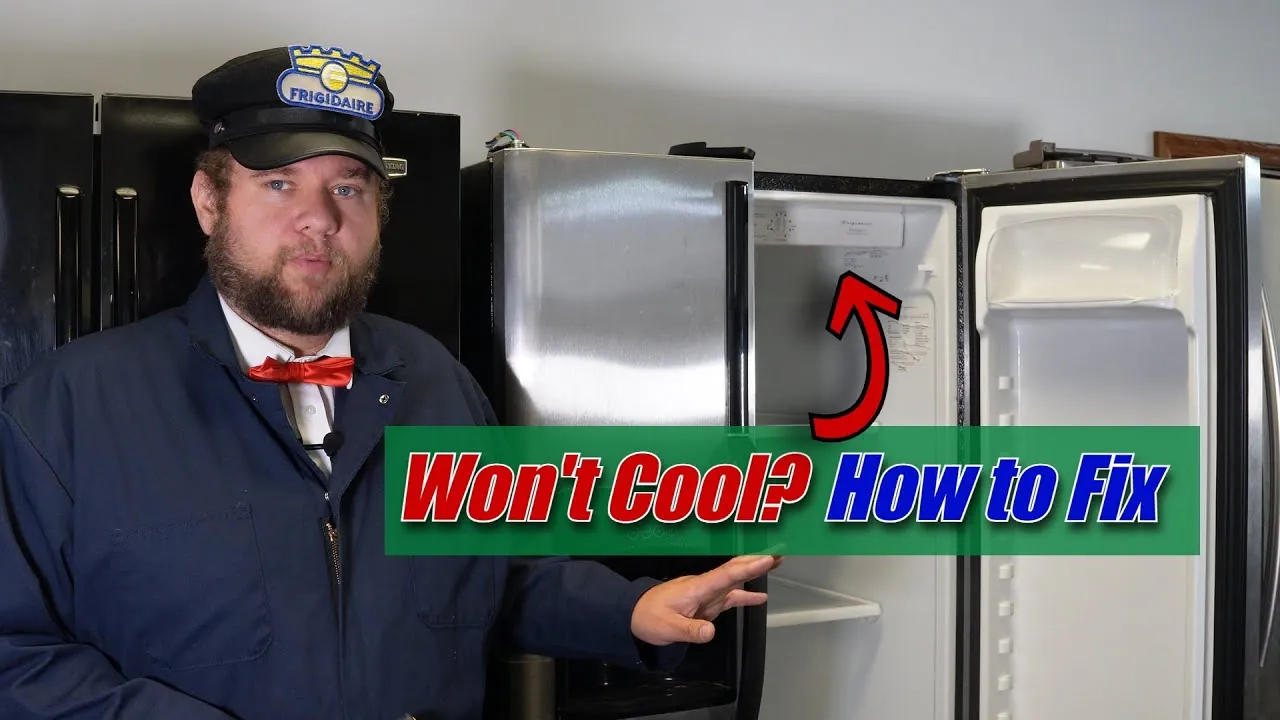
The primary reason for poor cooling is restricted airflow caused by dust and debris on the condenser coils. Because heat stays trapped inside the system, the compressor works harder but fails to keep the interior cold. Clean these coils based on your usage and consult your owner’s manual for the recommended schedule.
Another frequent cause is poor door sealing. If the rubber gasket around your door is cracked or loose, cold air escapes and warm air enters. This forces the motor to run constantly, which can lead to ice buildup on the evaporator coils. Once these coils are covered in ice, the fan can’t circulate air into the fridge section.
Internal airflow blockages also contribute to temperature spikes. If you pack too many items against the back wall or near the air vents, the cold air can’t reach the rest of the unit. Ensure that there’s at least one inch of space between your food items and the internal walls to allow for natural circulation. If the internal fan isn’t running, you’ll likely hear the compressor hum but feel no air movement.
Safety: Inside a mains-powered machine, the parts behind the outer cover can hold a dangerous electrical charge even after it has been unplugged — that’s why they sit behind a cover. Opening the housing, or testing or replacing anything behind it, is a job for a qualified technician, never a home repair.
Clear the condenser coils
If your unit is running but the interior feels warm, start by cleaning the condenser coils. These coils are typically located at the bottom of the unit behind a kick plate or at the very back of the machine. Use a vacuum with a brush attachment to remove all dust, pet hair, and lint from the coils.
Be careful not to bend the thin metal fins while cleaning, as this can damage the unit. If you find the coils are greasy, a soft cloth with a mild detergent can help, but ensure they’re completely dry before you replace the cover. This simple maintenance step allows the refrigerant to release heat effectively.
If you have a built-in model, the coils might be harder to reach. In these cases, you may need to slide the unit out carefully to access the rear panel. If you aren’t comfortable moving a heavy appliance, ask someone to assist you to avoid injury or floor damage. Once the coils are clean, the compressor should cycle off more often, and the fridge will regain its cooling capacity within a few hours.
Inspect the door gaskets
A faulty door seal is a major cause of cooling loss. To check the gasket, close the door on a piece of paper. If you can pull the paper out with almost no resistance, the seal is too loose and needs attention. You can often fix a loose gasket by cleaning it with warm, soapy water and a soft cloth to remove sticky food residue.
If the rubber is cracked, torn, or misshapen, you must replace the gasket to prevent air leaks. You can find replacement seals based on your model number, which is usually located on a sticker inside the main refrigerator compartment. Ensure the new seal is pressed firmly into the track all the way around the door.
For more complex issues involving the control board or internal sensors, you should avoid attempting repairs. The Frigidaire support page provides specific guidance on identifying your model’s features and when to schedule a service visit. If the unit continues to warm up after you fix the seal, the problem is likely related to internal components that require professional tools and safety training.
Adjust internal storage and settings
Sometimes the fix is as simple as moving your food. If the air vents are blocked by large containers or boxes, the cold air can’t circulate, leaving the bottom of the fridge warm while the top remains cold. Move items away from the vents and ensure the temperature dial is set to the recommended mid-range setting.
If you have a digital display, verify that the temperature is set to approximately 37°F for the refrigerator and 0°F for the freezer. A common mistake is setting the fridge too cold, which can cause the evaporator coils to freeze over. If you notice thick ice in the freezer, turn the unit off for a few hours to allow it to defrost completely before restarting.
This isn’t for cases where the compressor doesn’t turn on at all, as that indicates a failed start relay or a bad compressor. If you hear a clicking sound every few minutes, the start relay is likely the culprit. This is a technician-only job because the internal wiring can be complex and requires specific replacement parts to function safely.
Common troubleshooting mistakes
Setting the fridge to the coldest level: This often causes the evaporator coils to freeze solid, which actually stops air from circulating and makes the fridge warmer. If your temperature dial is at the maximum setting, back it off to the midpoint immediately. If the unit doesn’t stabilize within 24 hours, the issue is likely a faulty thermostat rather than a simple setting error.
Overloading the shelves: Blocking the air vents prevents the circulation of cold air, leading to uneven cooling throughout the unit. Keep items at least two inches away from the back wall. If you can’t see the airflow path, you’re likely restricting the cooling cycle and forcing the compressor to run continuously.
Ignoring the kick plate: Many people forget to remove the front grill to clean the coils, which is the most common cause of cooling failure. Use a vacuum attachment regularly to remove dust buildup. Because the frequency depends on your environment, check your owner’s manual for the proper maintenance schedule.
Using sharp tools to chip ice: Never use a knife or screwdriver to remove ice from the back wall, as you can easily puncture the refrigerant line and cause permanent damage. A puncture here is usually fatal for the unit, as the cost of a professional refrigerant recharge often exceeds the price of a new fridge.
Leaving the door open: Frequent or long-duration door openings allow too much moisture to enter, which turns into frost and clogs the cooling system. If you notice a thick buildup of ice on the rear wall, check the door gaskets for gaps. Run a dollar bill along the seal; if it slides out easily, the gasket is worn and must be replaced to prevent constant frost accumulation.
Preventing future cooling issues
Regular maintenance is the best way to keep your appliance running for years. If you notice your energy bills rising, it’s often a sign that your refrigerator is struggling to maintain temperature due to dirty coils or a failing seal.
| If you’re doing this | Do this instead | Why |
|---|---|---|
| Cleaning coils once a year | Clean them every six months | Dust buildup happens faster in homes with pets |
| Shoving food against the back | Leave a one-inch gap | Air needs space to circulate properly |
| Forcing the door shut | Clean the gasket and check hinges | Debris prevents a tight seal |
| Leaving the door open | Close it quickly after grabbing items | Warm air entry causes frost buildup |
Most owners ignore the condenser coils until the compressor fails. If you feel heat radiating from the bottom of the unit, the coils are likely packed with dust. Vacuum them twice a year to prevent the motor from overheating.
Check your door seal using the dollar bill test. Close the door on a piece of paper; if it slides out with zero resistance, the gasket is compromised. A loose seal forces the system to run constantly, which can significantly shorten the compressor’s lifespan.
If your kitchen stays above 80 degrees, consider moving the unit away from heat-generating appliances like ovens. A crowded, hot environment forces the cooling system to cycle twice as often. Always prioritize airflow over storage capacity.
Frequently asked questions
How long does it take for a fridge to cool down after cleaning?
A refrigerator typically takes 12 to 24 hours to reach a stable temperature after cleaning or resetting. Avoid opening the door frequently during this time to prevent cold air loss. If the temperature remains above 40°F after a full day, consult a professional to inspect the compressor or sealed cooling system.
Is it safe to use a hair dryer to defrost the fridge?
Never use a hair dryer or heat source to melt ice, as it can damage plastic liners, sensors, and wiring. The safest method is to unplug the unit and leave the doors open with towels to catch water. If ice returns quickly, the defrost timer or heater may be faulty.
Why is the freezer cold but the fridge is warm?
This usually happens when the air damper or the fan that moves air from the freezer to the fridge is blocked or broken. The cold air is being generated in the freezer, but it can’t travel to the refrigerator compartment. Check for ice buildup around the air vents between the two sections. If no ice is visible, the fan motor may have failed and will need to be replaced by a technician.
How do I know if the compressor has failed?
A silent compressor likely indicates a total failure, while a clicking sound often points to a broken start relay. If the compressor is hot and makes a grinding noise, it’s likely nearing the end of its service life. Contact a professional to diagnose these complex motor issues.
Can a dirty air filter cause cooling issues?
Yes, some modern refrigerators have an air filter that can become clogged, restricting airflow and causing odors or temperature fluctuations. Check your owner’s manual to see if your model has a replaceable filter and to determine the appropriate replacement frequency based on your usage. Always use the manufacturer-recommended filter to ensure proper airflow.
What should the internal temperature be?
Keep your refrigerator at 37°F or lower and your freezer at 0°F. Use a standalone thermometer to verify these readings, as built-in displays may be inaccurate. If temperatures remain above 40°F, avoid storing perishable items like meat or dairy to prevent rapid bacterial growth.
Conclusion
Keep a close eye on your food’s freshness while you wait for the temperature to stabilize. If you don’t see any improvement soon, it’s best to reach out to a local repair service. They’ll have the right parts to get your kitchen back in working order quickly and safely.
Related guides