You can often fix a power issue by checking the main utility breaker or the generator’s own control panel, as performing generac automatic transfer switch troubleshooting is usually about finding why the unit failed to switch during an outage. The most common cause is a tripped breaker or a loose control wire that prevents the transfer switch from sensing that utility power has been lost. If the system doesn’t detect the outage, it will never signal the generator to start or move the power source.
Why Generac automatic transfer switches fail
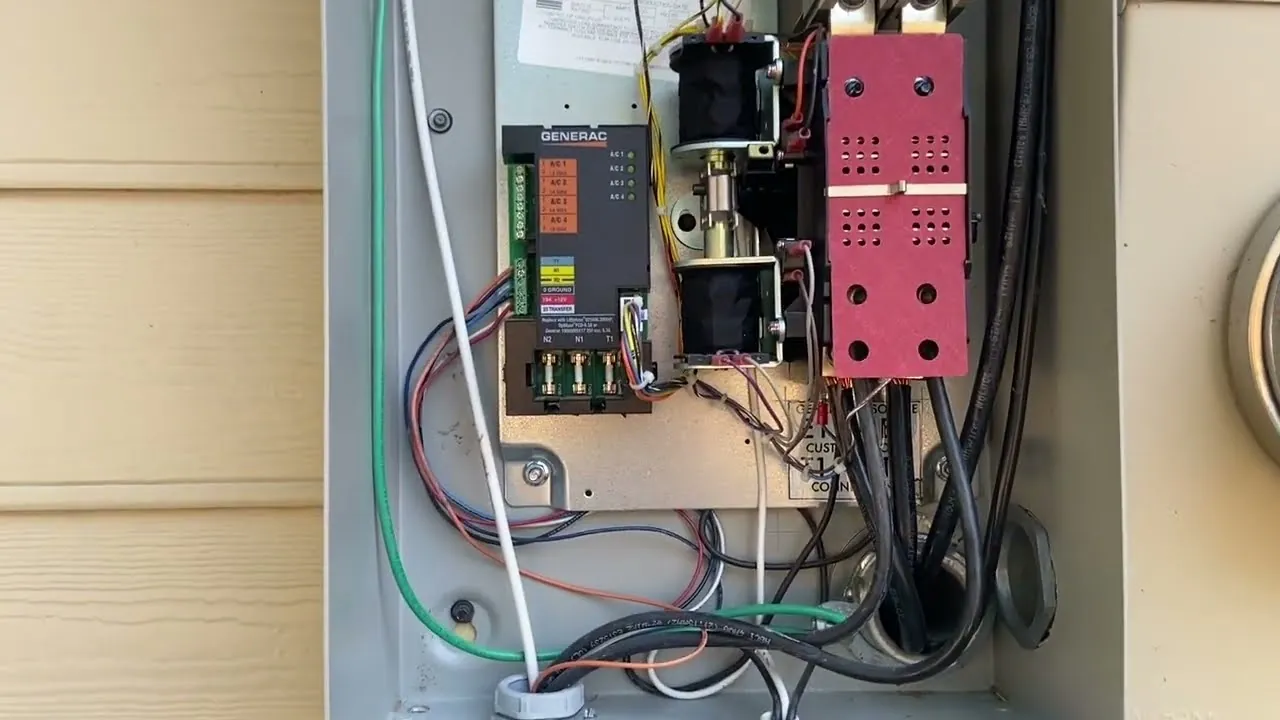
The primary reason for a failure is that the device isn’t receiving a clear signal from the utility line. If the utility power drops but the voltage doesn’t fall below the threshold set by the manufacturer, the controller won’t trigger the switch. You can verify the specific voltage thresholds for your model by checking the Generac owner manuals on the official support site.
Another common cause involves the control wiring connecting the generator to the switch. These low-voltage wires are thin and can break or disconnect due to vibrations or accidental damage during landscaping work. If the signal wire is severed, the transfer switch stays in the utility position even when the generator is running at full speed.
Finally, a mechanical jam can prevent the internal contactor from sliding into the generator position. This usually happens if debris or dust gets into the housing or if a component has physically degraded over time. If you hear a loud humming sound coming from the switch but the lights inside your home stay off, it’s a sign that the electrical contacts are stuck or failing to make a proper connection.
Reset the system control panel
If the generator is running but the transfer switch hasn’t moved, you should try a system reset at the main controller. First, walk to your generator and flip the main circuit breaker to the “Off” position. Then, go to the control panel and press the “Off” button to stop the engine. Wait for the system to stabilize, then set the controller back to “Auto” and flip the breaker to “On.”
This process forces the controller to re-scan for utility power and check the connection to the switch. If the generator doesn’t start or the switch remains on utility power, you should avoid opening the metal cabinet further.
This fix is for users who have clear access to the exterior controls. If you feel any resistance when flipping the breaker or if you smell burning plastic, don’t force the switches. In these cases, you must stop immediately and contact a certified electrician, as high-voltage components are dangerous to handle without specialized training and equipment.
Check the utility side connections
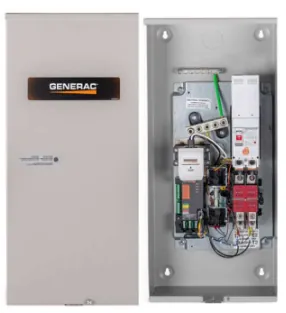
Sometimes the issue isn’t with the generator but with the utility connection inside the transfer switch housing. Look at the status lights on the front of the transfer switch cover. If the “Utility” light is off but you have power in your home, the switch isn’t seeing the incoming utility line. This usually means a fuse inside the switch has blown or a wire lug has become loose due to thermal expansion.
You can safely check the status lights without opening the cabinet. If the lights are dark, take a look at your main home electrical panel to see if the main breaker has tripped. If your home main breaker is fine, the problem is likely localized to the transfer switch sensing circuit. Because this involves checking lines that carry live current, you shouldn’t attempt to tighten any wires yourself.
If you find that the indicator lights are completely dead, it’s a sign of a deeper fault in the control board. This isn’t a user-serviceable part. You’ll need to hire a licensed electrician to inspect the board for signs of moisture or rodent damage. They have the proper tools to test if the board is receiving power and can determine if it needs a full replacement.
Inspect the external control wiring
The external wiring that connects the generator to the switch is the most vulnerable part of the system. Walk along the path where these wires run from the generator to your home. Look for any signs of cuts, fraying, or chew marks from animals. Even a small nick in the insulation can cause a short circuit that prevents the transfer signal from reaching the switch.
If you see physical damage to the conduit or the wires, you shouldn’t try to patch them with electrical tape. These control wires carry voltage signals that must remain continuous to function. If the wire is damaged, the signal will be too weak for the switch to actuate. You’ll need a technician to run a new segment of wire to ensure the connection is solid and weather-sealed.
This fix is intended for visual inspection only. If you find damage, keep children and pets away from the area until a professional can secure it. Never try to splice these wires yourself, as an incorrect connection can cause the generator to send power back into the utility lines, which creates a significant safety hazard for utility workers.
Common mistakes during troubleshooting
Forcing the contactor: Using a screwdriver to manually engage the switch risks snapping the plastic linkage. A replacement assembly is expensive compared to the cost of professional maintenance, which also includes labor to recalibrate the timing mechanism.
Ignoring the smell: If you detect ozone or acrid burning plastic, disconnect the main utility feed immediately. This indicates a terminal block failure. If you ignore this, the resulting fire can melt the entire switch housing.
Resetting while under load: Never flip the breaker while your HVAC or electric dryer is running. The resulting arc creates carbon pitting on the contact surfaces, which can lead to poor electrical conductivity and overheating.
Assuming a dead battery: Most homeowners replace the generator battery when the switch fails to transfer. However, the switch logic board typically draws power from the generator’s battery or control circuit. If the switch is dead, check your utility fuses first.
Prevent future transfer failures
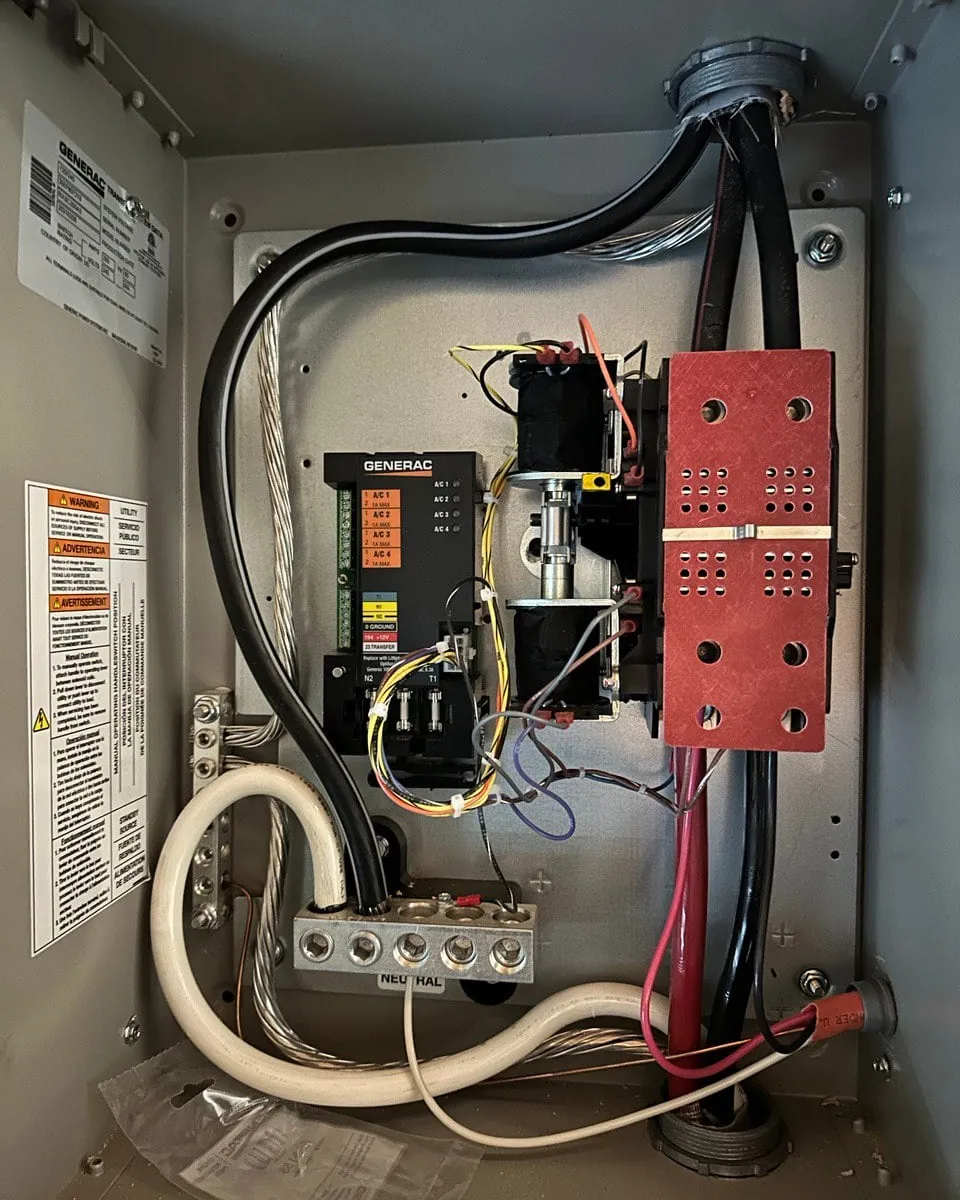
You can keep your power backup system reliable by performing a few simple checks every month. The goal is to catch small issues before an actual power outage happens.
| If you’re doing this | Do this instead | Why |
|---|---|---|
| Ignoring the monthly test | Run a manual test monthly | Ensures the switch and engine work together |
| Leaving debris near the unit | Clear a 3-foot space around it | Prevents overheating and animal access |
| Waiting for an outage | Schedule professional maintenance | Catches loose lugs before they spark |
| Ignoring status lights | Check the panel weekly | Identifies faults before they become emergencies |
Most failures stem from battery voltage drops or stale fuel. If your system has sat idle for more than six months, the fuel may have degraded, which can clog the carburetor. Drain it or add a stabilizer immediately.
A common mistake is assuming the “Auto” light confirms readiness. It only confirms the system is armed. If the battery charge is insufficient, the unit will fail to crank under load. Have a technician verify the charge directly; if the reading is low, they should replace the battery before a storm occurs.
Frequently asked questions
How long should the transfer switch take to move?
The transfer switch typically moves within 10 to 30 seconds after the generator reaches stable speed and voltage. This delay ensures utility power is disconnected and the generator output is reliable before connecting to your home. If the switch takes longer than a minute, the sensing circuit may be struggling to verify power quality.
Is it safe to open the transfer switch cover?
No, it isn’t safe for a homeowner to open the transfer switch cover under any circumstances. The interior of the switch contains high-voltage terminals that remain live even when the generator is off and the utility main breaker is open. Attempting to touch these components carries a high risk of electric shock. Only a licensed electrician should remove the cover to perform internal diagnostics or repairs on the unit.
Why is my generator running but the house has no power?
Your generator is likely running because it senses an outage, but the transfer switch hasn’t successfully moved to the generator position. This usually occurs due to a broken control signal wire or a jammed internal contactor. If you hear the generator running but no power reaches your home, check that the generator circuit breakers are set to the “On” position.
What happens if the utility power returns while the generator is running?
The transfer switch will sense the returning utility voltage and automatically move the power source back to the utility line. After this happens, the generator will continue to run for a short “cool-down” period, usually between 1 to 5 minutes, before it shuts itself off. This cool-down cycle is normal and helps the engine temperature stabilize, so you don’t need to intervene during this process.
Can I manually shift the transfer switch?
You should never attempt to manually shift the transfer switch, as it’s a high-voltage mechanical device that can snap back with significant force. If the switch doesn’t move automatically, it’s suffering from a mechanical or electrical failure that requires professional repair. Forcing the mechanism can destroy the internal components and void your manufacturer warranty, leading to much higher repair costs than a simple service call would have required.
How often should I test the system?
You should test your transfer switch and generator once every month to ensure the system remains in good working order. Most modern controllers allow you to set an automatic exercise cycle, which runs the generator for about 15 minutes without connecting to your home load. If your unit doesn’t have this feature, you must perform a manual start and check the switch status indicator lights to confirm the system is ready.
Conclusion
You can maintain your power backup system by keeping the area around the generator clear of snow and leaves. If you notice any unusual sounds or error codes on the controller screen, call a certified technician to inspect the unit before the next storm arrives.
Related guides