If your door isn’t moving as expected, the fastest way to perform genie excelerator garage door opener troubleshooting is to check the safety sensors at the base of the door for obstructions or misaligned beams. Most issues with these units stem from simple sensor interference rather than internal mechanical failure. If the sensors are clear and the unit still doesn’t respond, you should inspect the wall-mounted control panel for a flashing light, which often indicates a specific system error code.
Troubleshooting Genie Excelerator garage door opener failures
The most frequent reason for an unresponsive unit is a broken safety beam connection. These sensors rely on a clear line of sight to function; if a spider web, a stray garden tool, or even a slight bump knocks them out of alignment, the system defaults to a safety mode to prevent the door from closing on an object.
You can tell if this is the cause by looking at the sensor lights: if the LED on either sensor is flickering or off, the system won’t allow the motor to move the door.
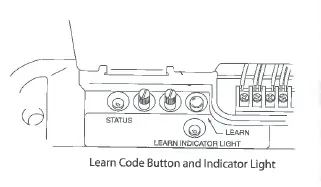
Another common cause involves the power supply or the logic board status. If the unit has no lights at all, the circuit breaker or the outlet itself may have tripped. However, if you see a flashing light on the motor unit, the system is trying to communicate a specific fault. The Genie Company support portal provides clear diagrams to help you interpret these light patterns for your specific model.
Finally, seasonal changes in temperature can cause the metal tracks to expand or contract, which creates extra friction. If the door feels heavy or sticks at a specific point, the opener’s force settings may be too low to overcome this resistance. This is a common issue that people often mistake for a motor failure, though it’s actually a sensitivity adjustment problem.
Safety: Inside a mains-powered machine, the parts behind the outer cover can hold a dangerous electrical charge even after it has been unplugged — that’s why they sit behind a cover. Opening the housing, or testing or replacing anything behind it, is a job for a qualified technician, never a home repair.
Aligning the safety sensors
This fix is for users whose door won’t close or reverses immediately after starting its downward movement. You must ensure the sensors are facing each other directly, as they communicate via an infrared beam that must remain unbroken to allow the motor to operate. If you have pets or children, please be aware that disabling these sensors is a dangerous practice that removes a vital safety feature for your household.
To align the sensors, locate the two small boxes at the bottom of your garage door tracks. One sensor usually has a green light, and the other has a red light. If the red light is off or blinking, the beam is blocked or the units aren’t level. Gently rotate or shift the mounting bracket of the sensor with the blinking light until the LED turns solid.
Once the light stays solid, try to operate the door using the wall button. If the door closes successfully, the alignment is correct. If you find that the sensors are damaged or the wires have been chewed by rodents, you should contact a professional garage door technician to perform the repair. Don’t attempt to splice or rewire these sensors yourself if you aren’t comfortable with low-voltage electrical components, as an improper connection can damage the logic board.
Resetting the force limits
This process is for when the door stops mid-travel or reverses even when the path is completely clear. The force limit is the amount of pressure the motor is allowed to apply before it decides something is in the way. If your tracks are dirty or the rollers are dry, the door will encounter more resistance, and the motor will stop to prevent damage.
Start by cleaning the garage door tracks with a dry cloth to remove any debris. Apply a small amount of silicone-based lubricant to the rollers and hinges, but avoid thick grease that attracts dirt. After cleaning, operate the door through a full open and close cycle.
If the door still stops early, you’ll need to adjust the force sensitivity settings on the motor unit. These are usually plastic dials or buttons labeled “Force” or “Limit” located on the side or back of the opener housing. Increase the setting by a small increment—usually one-eighth of a turn—and test the door again.
If you have to turn the dial significantly to get the door to move, it’s a sign that your door springs may be losing tension and need a professional inspection. Never tighten the springs yourself, as they’re under extreme tension and can cause severe injury.
Clearing the remote memory
This fix is for when your remote controls stop working but the wall button still operates the door normally. If the receiver has lost the code or if you have recently had a power surge, the remote may need to be paired again. This fix isn’t for users who have a solid light on the wall console, as that usually points to a wiring issue rather than a signal problem.
To clear and reset the remotes, you must locate the “Learn” button on the motor unit. Press and hold the Learn button until the small indicator light on the motor turns off or begins to blink, depending on your model. This action wipes the memory of all connected remotes.
Once the memory is clear, press the Learn button once more, then immediately press the button on your handheld remote. The indicator light on the opener should flash or click to confirm that it has accepted the new signal. Test the remote from inside the garage first.
If it works, move outside and try it again to ensure the range is sufficient. If you have multiple remotes, repeat this process for each one individually. If the remote still fails to work after a fresh battery installation and a reset, the internal circuit board of the remote itself may be faulty and require a replacement.
Common garage door opener mistakes
- Forcing the door open by hand: If you pull the emergency release cord while the door is under tension, the door can drop suddenly and cause significant damage or injury.
- Applying grease to the tracks: Using heavy grease in the tracks creates a sticky mess that traps dust and debris, which actually increases the friction for the rollers.
- Adjusting the spring tension: Never touch the large torsion springs above the door, as they store enough energy to cause fatal harm; these require a professional with specialized tools.
- Replacing the logic board unnecessarily: Many people assume the board is dead when the issue is just a simple sensor alignment or a loose wire at the wall console.
- Ignoring a loud grinding noise: If the motor makes a screaming or grinding sound, the internal gears are likely stripped; continuing to use it will destroy the entire motor assembly.
Preventing future opener issues
Regular maintenance is the best way to keep your system running without constant troubleshooting. By checking the balance of your door and keeping the track clear, you avoid the most common causes of system failure.
| If you’re doing this | Do this instead | Why |
|---|---|---|
| Leaving the tracks dirty | Clean the tracks | Prevents roller slippage and debris buildup |
| Ignoring a jerky door | Clean and inspect the tracks | Prevents the force sensor from tripping |
| Using old batteries | Change remote batteries yearly | Prevents signal drop-out and frustration |
| Pulling the release cord | Test the wall button first | Keeps the door connected to the motor |
| Slamming the door shut | Check the spring balance | Heavy doors trigger the safety reverse |
Test your door’s balance monthly by disconnecting the opener and lifting the door manually. If it doesn’t stay open halfway up, the springs are failing. Don’t adjust these yourself, as they hold enough tension to cause severe injury.
Most people wait for a total breakdown before calling a technician. This mistake often doubles the repair cost because a misaligned door eventually burns out the motor’s internal gears. If the door moves unevenly, stop using the automatic opener immediately. If the door is level but noisy, a simple cleaning of the tracks usually solves the issue.
Frequently asked questions
Can I fix a genie excelerator garage door opener if it won’t open at all?
You can fix an unresponsive unit by checking the power outlet and circuit breaker. If the motor is plugged in but the wall console light is off, the connecting wire may be loose or broken. If the motor has power but remains unresponsive, it may have reached the end of its service life.
How long should a garage door opener last?
A standard residential garage door opener typically lasts between 10 and 15 years, depending on usage and maintenance. Units older than 15 years often lack modern safety features like rolling-code technology. If repair costs exceed the price of a new unit, it’s more cost-effective to replace the entire system.
Why does my garage door open by itself?
A door opening on its own is usually caused by a stuck or faulty button on a remote or wall console. Check all remotes to ensure buttons aren’t being pressed by other items. If the issue persists, reset the opener’s memory to clear potential interference from neighbors’ signals.
Is it safe to operate the door if the sensors are misaligned?
No, it isn’t safe to operate your door if the safety sensors are misaligned because the system can’t detect obstructions. These sensors are mandatory safety features designed to prevent the door from crushing people or objects. Operating without them poses a severe risk of injury or death.
How often should I lubricate the garage door tracks?
Lubricate the rollers and hinges every six months to keep the door moving smoothly and prevent motor strain. Use a high-quality silicone-based lubricant, as it doesn’t leave a sticky residue that attracts dirt. If you live in a humid or dusty area, you may need to perform this task every three months.
Conclusion
If these quick fixes don’t get your door moving smoothly again, it’s best to contact a professional technician for a deeper inspection. Don’t try to force the mechanism if it’s still stuck, as you don’t want to cause further damage. A little expert help will keep your home secure and running perfectly.