To resolve an underspeed alarm, check your fuel level and air filter first, as simple maintenance tasks often clear the error. You can perform basic generac underspeed troubleshooting by verifying that the generator has enough clean fuel and that no debris blocks the intake, which allows the engine to reach its proper operating speed without struggle.
Troubleshooting common causes of generac underspeed

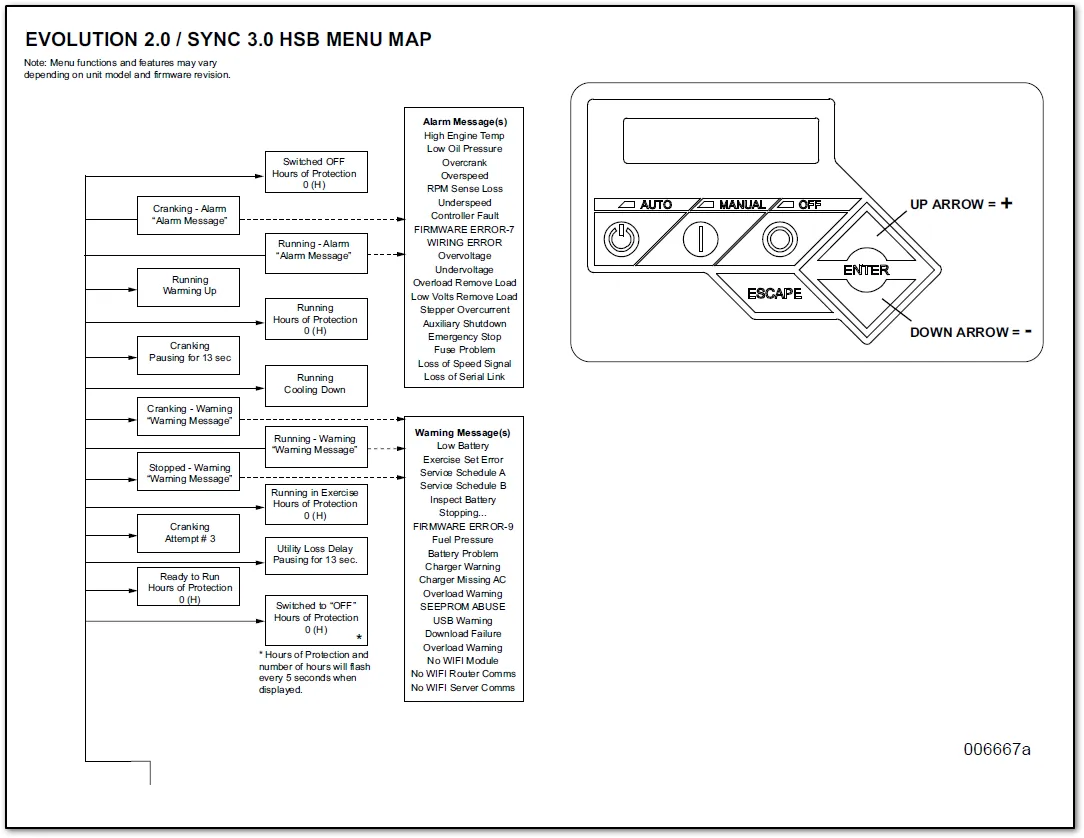
The underspeed alarm triggers when the generator controller detects that the engine isn’t spinning fast enough to produce the correct electrical frequency. This typically happens because the engine is starved of fuel, air, or proper maintenance. When the engine can’t reach the required speed to maintain the correct electrical frequency, the controller shuts it down to protect the generator from stalling or mechanical damage.
A common cause is stale fuel. If your generator sits for months without running, the gasoline inside the carburetor can break down and create a gummy residue. This blockage stops the engine from receiving the steady fuel flow it needs to stay at high speeds under a load. You can check the Generac owner support page to see the recommended fuel storage and maintenance intervals for your specific model.
Another reason is a restricted air intake. If the air filter is clogged with dust, grass, or debris, the engine can’t breathe. A lack of oxygen prevents efficient combustion, which forces the engine to run sluggishly. Other factors like cold weather or a failing battery can also play a role, but fuel and air issues account for the vast majority of these alerts in residential standby units.
Safety: Inside a mains-powered machine, the parts behind the outer cover can hold a dangerous electrical charge even after it has been unplugged — that’s why they sit behind a cover. Opening the housing, or testing or replacing anything behind it, is a job for a qualified technician, never a home repair.
Check the fuel and air supply
If your generator is showing an underspeed error, start by examining the fuel quality and the air filter. This fix is for owners who have basic access to the external maintenance areas of their generator. If you recently added fuel, ensure it’s fresh and free of water or contaminants. If the unit has been sitting for more than six months, the fuel may be the problem.
Next, inspect the air filter housing. Open the access panel and remove the air filter element to see if it’s dirty or saturated with oil. If the filter looks dark, heavy, or clogged, it must be replaced. A clean filter allows the engine to pull in the air needed to maintain its operating speed. Don’t run the engine without a filter, as this can suck debris directly into the combustion chamber.
If you find that the fuel is fresh and the filter is clean, but the error persists, you should observe the engine while it attempts to start. Listen for smooth operation or sputtering. If the engine struggles to hold an idle, the issue may be deeper within the carburetor or the governor system. If you don’t have experience with engine mechanics, don’t attempt to adjust internal linkages or fuel jets, as this can cause permanent damage to the engine.
Inspect for external obstructions

Sometimes the engine is physically blocked from reaching its target speed because of external debris. This fix is for identifying obstructions that prevent the cooling fan or the housing from allowing the engine to rotate freely. Walk around the generator and look for tall grass, leaves, or plastic bags that may have been pulled against the intake vents.
Check the area around the base of the unit. If the generator is sitting in a location where snow or mud has built up against the exhaust or intake, the engine will labor to overcome the resistance. Remove any physical barriers that prevent airflow. If your unit is in a location prone to flooding or heavy snow, consider if the current site is suitable for reliable operation.
If you clear the area and the engine still triggers an underspeed alarm, check if the generator is overloaded. Turn off the main circuit breaker on the generator and attempt to start it again.
If the engine runs smoothly without a load but fails when you flip the breaker, you have a heavy electrical demand that the engine can’t support. If the generator fails to run even without a load, you have reached the limit of what you can safely diagnose at home.
Contact a certified service technician
When basic maintenance doesn’t solve the underspeed alarm, it’s time to call a professional. This fix is for cases where the problem lies in the complex internal electronics, the governor, or the fuel delivery system. Attempting to repair these parts without specialized training often leads to voided warranties or costly secondary damage to the generator’s internal wiring.
A certified technician will use specialized diagnostic tools to check the fuel pressure and the electrical output of the generator. They can test the governor actuator to see if it’s responding to the controller’s commands. These parts are sensitive and require calibration that can’t be done by sight or sound alone. Relying on a professional ensures that the engine is tuned to the manufacturer’s exact specifications.
If your generator is still under warranty, contact an authorized dealer immediately. They have the expertise to determine if the fault is a covered mechanical failure. Don’t attempt to bypass safety sensors or wire around the controller to “force” the engine to run. This is dangerous and can lead to electrical fires or severe injury if the system fails while under a heavy load.
The decision rule is simple: if the underspeed alarm persists after you have verified the fuel level and air filter, stop. If you hear a rhythmic clicking from the control board, the issue is likely a faulty relay. If the engine hunts for idle speed, the governor linkage is likely obstructed or worn. Ignoring these mechanical cues often turns a simple sensor replacement into a complete engine overhaul.
Common myths about generator errors
Adding more oil will fix it: Adding too much oil creates foam inside the crankcase. This aerated lubricant fails to protect moving parts, causing the engine to work harder and worsening underspeed problems. If your dipstick shows oil above the crosshatch, drain the excess immediately to prevent seal blowouts.
Running it without the air filter: Removing the filter invites abrasive dust into the combustion chamber. Within just ten hours of operation in a dusty environment, this grit will score your cylinder walls and ruin compression. Only run the unit without a filter if you’re in a clean, indoor emergency and have a replacement arriving within the hour.
Spraying starter fluid into the intake: This practice can cause an engine backfire or internal explosion if the timing is off. It frequently leads to cracked intake manifolds or shattered plastic housings. If the engine won’t start, check for a fuel delivery blockage instead.
Adjusting the governor spring: Increasing spring tension to boost speed leads to dangerous overspeeding. This risks mechanical failure where the generator housing shatters or catches fire. Always use a tachometer to verify that your frequency remains at 60Hz.
Prevent future underspeed alarms
You can keep your generator running smoothly by switching from reactive repairs to a consistent schedule. The following table highlights common habits that lead to errors and the better way to manage your equipment.
| If you’re doing this | Do this instead | Why |
|---|---|---|
| Leaving old fuel in the tank | Use a fuel stabilizer | It prevents gum and varnish buildup |
| Ignoring the annual service | Schedule yearly maintenance | It catches worn parts before they fail |
| Blocking vents with a cover | Remove covers before starting | The engine needs cool air to breathe |
| Overloading the unit | Manage your electrical load | It prevents the engine from stalling |
Most operators fail by waiting for the first sign of sputter. If your generator runs under 58Hz, check your air intake immediately. A clogged filter is the most common culprit.
If the unit runs fine at idle but bogs down under load, you likely have a fuel delivery restriction. If you notice black smoke, your air-to-fuel ratio is off. Clean the carburetor or check the choke linkage.
Run your generator under load periodically to prevent moisture buildup in the windings and ensure the battery stays charged. The frequency of this maintenance depends on your specific usage patterns. Always consult your owner’s manual for the authoritative service schedule and recommended procedures for your equipment.
Frequently asked questions
Can a bad battery cause an underspeed alarm?
A weak or dead battery can cause an underspeed alarm because the engine requires sufficient power to turn the starter motor. If battery voltage is too low during the start sequence, the engine may fail to crank fast enough to reach the required RPM threshold for the controller to register a successful start. Replace batteries that no longer hold a charge to ensure reliable starts.
How long should I let the generator run before calling for help?
Stop trying to start the generator after three failed attempts to avoid draining the battery or flooding the engine. Modern systems often lock out after multiple failed cycles to protect the starter motor from overheating. If the unit fails to start, check the fuel level and air filter before troubleshooting further.
Is it safe to run the generator if the alarm clears on its own?
No, you shouldn’t rely on a generator that clears an alarm on its own without investigating the cause. An underspeed alarm indicates the engine is struggling to meet performance requirements, meaning the underlying issue will likely cause it to stall again. Inspect the unit or call a professional to resolve the problem.
What happens if I ignore the underspeed error?
Ignoring the error means your generator will likely fail to provide power when you have a utility outage. Because the controller detects an unsafe operating condition, it will continue to shut down the unit to prevent damage. This leaves you without backup power during an emergency. Furthermore, running an engine that’s struggling can lead to carbon buildup or mechanical wear that shortens the total lifespan of the generator significantly.
Why does my generator only show the error when it’s cold?
Cold weather makes fuel harder to vaporize and thickens the oil, forcing the engine to work harder to turn over. These factors can prevent the generator from reaching the necessary speed during startup. Ensure you use the correct oil viscosity recommended in your manual to help the engine handle colder temperatures.
Regular maintenance and keeping your fuel fresh will keep your system reliable during power outages.
Conclusion
If these quick checks don’t get your unit running smoothly again, it’s best to contact a certified technician. Don’t hesitate to reach out for professional help if the issue persists, as they’ll have the right tools to diagnose deeper engine problems. You’ll be back to having reliable power in no time.