To restore power when you have generator troubleshooting no voltage, first check if the main circuit breaker on the unit has tripped to the off position. This is the most common cause of a total power loss. If the breaker is in the correct position but the display remains dead, the issue often stems from a tripped ground fault circuit interrupter (GFCI) outlet or a loose connection at the control panel. Before you start, ensure the engine is off and the unit is cool to the touch.
Troubleshooting generator voltage loss
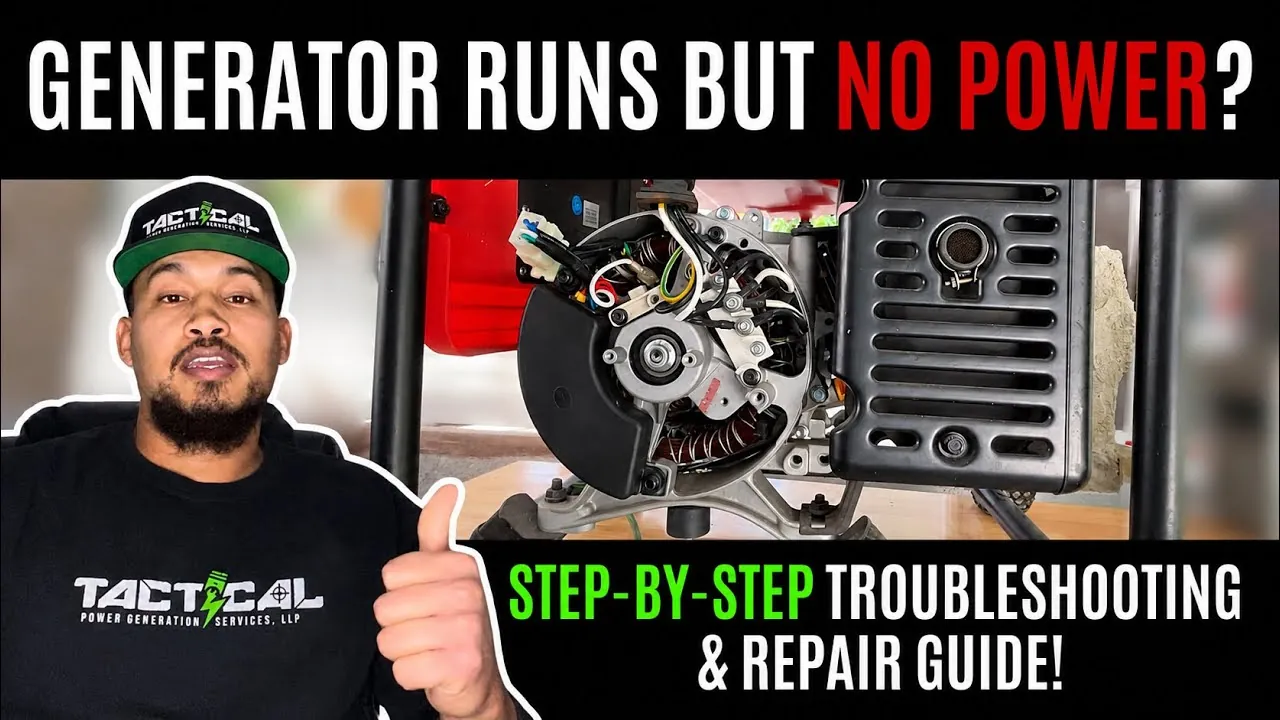
When your machine runs but provides no electricity, several factors could be at play. The most frequent cause is a tripped circuit breaker, which acts as a safety gate for your home or equipment. If the load exceeds the generator’s rated capacity, the breaker flips to protect the internal wiring from heat damage. This is a standard safety feature across all portable and standby models.
Another common reason is a tripped GFCI outlet. These outlets detect tiny imbalances in current and shut off power instantly if they sense a fault. If you’re using an outdoor extension cord that’s damaged or wet, the GFCI will prevent power flow to protect you from electrical shock. You can often see a small reset button on the face of the outlet itself; if it’s popped out, the safety mechanism has engaged.
Finally, consider the state of your connections. Over time, vibrations from the engine can cause wires behind the control panel to wiggle loose. If a wire leading from the alternator to the breaker disconnects, the electricity has no path to travel. This is a common issue in older units that have seen heavy use. If you see signs of melting or smell burning plastic, don’t attempt to use the generator.
Reset the main circuit breaker
The first step for most users is to inspect the main breaker switch on the control panel. Locate the large switch, often labeled “Main,” and check if it’s in the “Off” or “Tripped” position. If it’s in the middle, flip it all the way to “Off” and then back to “On.” This resets the internal latch. If the switch feels loose or doesn’t click into place, it may be broken.
This fix is intended for users who have a standard portable generator with a clearly visible breaker switch. If the breaker trips again immediately after you start the engine, you have too many appliances plugged in. Disconnect all devices and try again with only one small lamp. If it stays on, you know your total load was too high.
If you’re unsure how to identify your breaker or if the panel looks damaged, stop and contact the manufacturer’s support line. Never try to force a switch that feels jammed. A portable generator safety guide from the Consumer Product Safety Commission explains why overloading is a major risk and how to calculate your safe power capacity. Always match your total appliance wattage to the rated output, not the surge output, to prevent constant tripping.
Reset the outlet circuit protection
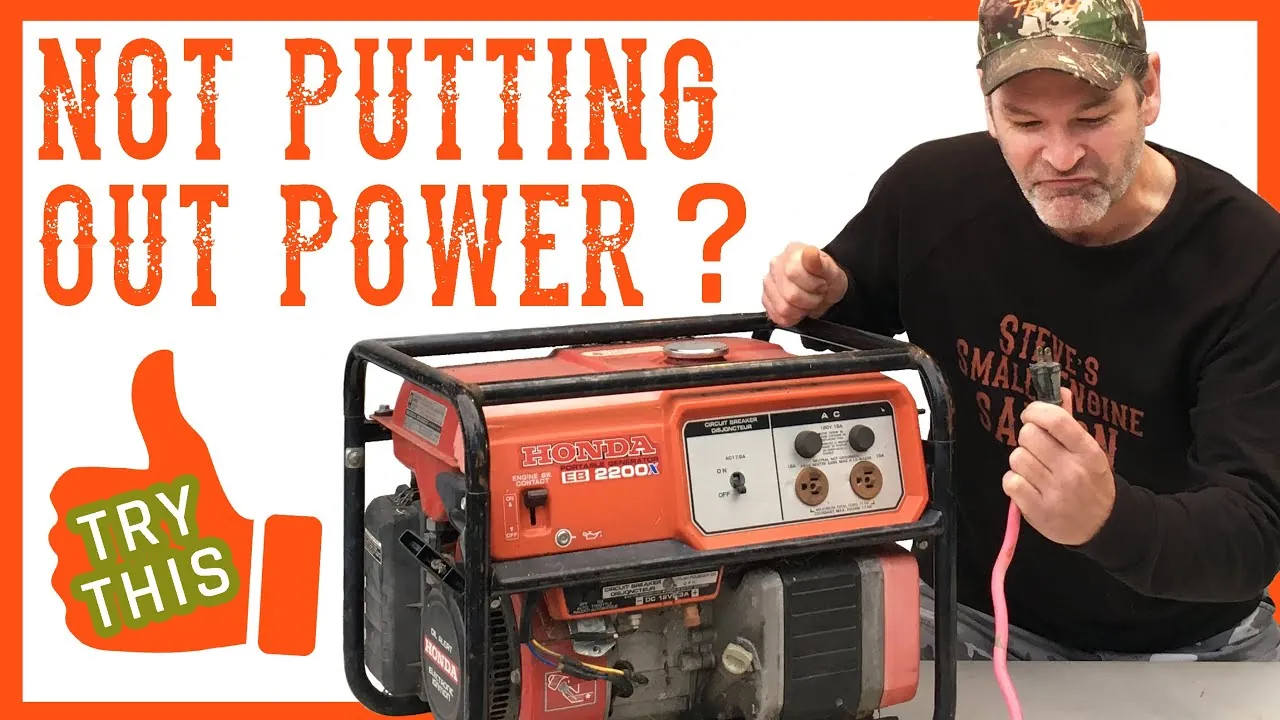
If your breaker is fine but specific outlets are dead, check for a tripped GFCI button. These are usually rectangular buttons located directly on the face of the electrical outlet. Push the “Reset” button firmly until you hear a click. If the button doesn’t stay pushed in, or if it pops back out immediately, the outlet may have a short circuit or moisture inside.
This step is for when you’re using standard 120V household outlets. If you’re using a 240V twist-lock plug for a heavy-duty cord, check if that plug is seated fully. A plug that’s only halfway in won’t complete the circuit. If you see water or debris in the outlet, use a dry cloth to clean the area while the unit is off.
If the GFCI still won’t reset, don’t try to take the outlet cover off. A loose wire inside the housing can be a shock hazard. This is the point where you need a qualified electrician or a certified generator technician. They have the tools to test for ground faults without risking your safety or damaging the unit’s internal electronics.
Inspect the load and connections
For harder cases, inspect every external connection point. Look at the male ends of your extension cords for signs of black soot or melted plastic. A bad connection at the plug can cause high resistance, which mimics a “no voltage” state because the power can’t bridge the gap to your tools. If the prongs are dark or pitted, replace the cord immediately.
If you have a manual transfer switch installed in your home, check the input breaker on your house panel. Sometimes the failure isn’t in the generator, but in the cord connecting the unit to your home. Ensure the cord is locked into the generator’s inlet box securely; a technician must confirm whether the part has failed.
If you lack the proper training to use testing equipment, don’t attempt to probe the internal panel. A capacitor can hold a lethal charge even when the engine is off and the unit is unplugged. If the issue is inside the alternator or the wiring harness, it’s time to take the unit to a service center. They can test the stator and rotor windings safely.
Common mistakes to avoid
Leaving the engine running while you try to reset a breaker causes a small arc that pits the switch contacts. This damage creates resistance, leading to permanent hardware failure within a few cycles. Always kill the motor before toggling any switches.
Using extension cords exceeding 50 feet or rated below 12-gauge wire creates a significant voltage drop. Your appliances will struggle to start, often humming or flickering as if the generator has failed. If the cord feels warm to the touch, it’s undersized for the load and must be replaced immediately.
Ignoring the “Max Wattage” rating triggers the main breaker whenever a motor kicks on. Motors require a surge current significantly higher than their running wattage to start. If your total running load exceeds 80% of the generator’s capacity, you have no headroom for these surges.
Operating on damp grass triggers the GFCI repeatedly. This is a safety feature, not a malfunction. Move the unit to a dry, elevated surface.
How to stop it happening again
To keep your power steady, you must match your tool usage to the specific capacity of your machine. Every generator has a “Rated” or “Running” wattage, and this is the only number that matters for long-term use. If you’re running a 5,000-watt generator, you shouldn’t pull more than 4,000 watts total to leave a margin for safety.
| If you’re doing this | Do this instead | Why |
|---|---|---|
| Plugging in all tools at once | Start the largest motor first | Large motors cause a power surge |
| Using thin, long extension cords | Use thick, heavy-duty cords | Thin wire causes voltage drop |
| Running the unit in the rain | Use a dry cover or tent | Moisture trips GFCI outlets |
| Leaving the unit in a shed | Run it in an open area | Engine heat needs airflow |
Frequently asked questions
Can I fix a generator with no voltage myself?
You can fix simple issues like a tripped breaker or loose plug yourself by resetting the control panel switches. If the unit remains unresponsive after these external resets, the problem likely involves internal high-voltage components. Stop immediately and contact a professional, as these repairs require specialized training to handle safely.
How long does a generator breaker take to reset?
You can reset a breaker instantly by flipping the switch from “Off” to “On.” If the breaker is hot to the touch, wait about 5 minutes for it to cool down before you try to reset it. If you try to force a hot breaker, the internal mechanism may not engage properly. Always ensure the engine is off before you attempt to reset any electrical switches to prevent an arc flash.
Is it safe to use a generator if the GFCI keeps tripping?
No, it isn’t safe to use a generator if the GFCI trips repeatedly. A persistent trip indicates a ground fault, which means electricity is leaking due to a damaged cord, wet outlet, or internal short circuit. Stop using the outlet immediately and have a professional inspect the unit for your safety.
What happens if I overload my generator?
The main circuit breaker trips to cut off power if you exceed the generator’s capacity, protecting the internal wiring from heat damage. Continuing to overload the unit after a trip risks permanent damage to the alternator windings. Always check your unit’s data plate to ensure your total wattage stays below the rated limit.
Why does my generator run but not power my tools?
Your generator may be running but not powering tools because the main breaker has tripped or the load is too high. Check the control panel for any switches that are in the “Off” or “Tripped” position. Also, verify that your extension cords are in good condition and plugged in fully. If you have confirmed the breaker is on and the cord is good, the internal power-generating components may have failed.
How do I know if my generator is overloaded?
Your generator is overloaded if the engine slows significantly or the main circuit breaker trips when you add a device. Most units are designed to trip the breaker before the engine sustains damage. If you hear the engine laboring or see lights dimming, reduce the number of items plugged in to restore a safe load.
How often should I check my generator connections?
Check your generator connections before every use to ensure they’re clean and secure, as engine vibrations can loosen terminals over time. Look for corrosion on plugs and ensure wires behind the control panel appear intact. If you notice burning smells or discoloration, don’t start the engine and call a professional.
Conclusion
If these simple checks don’t bring your power back, it’s time to call a certified technician. Don’t try to open the internal alternator housing yourself, as you could risk a dangerous electrical shock. They’ll have the right tools to safely diagnose the problem and get your machine running smoothly again.