To troubleshoot a generac natural gas generator that fails to start, first verify that the fuel supply valve is fully open and the battery has sufficient charge. Most start-up issues stem from a closed fuel line or a dead battery. If the unit still does not engage, check the display panel for error codes.
Troubleshooting Generac Generator Start Issues
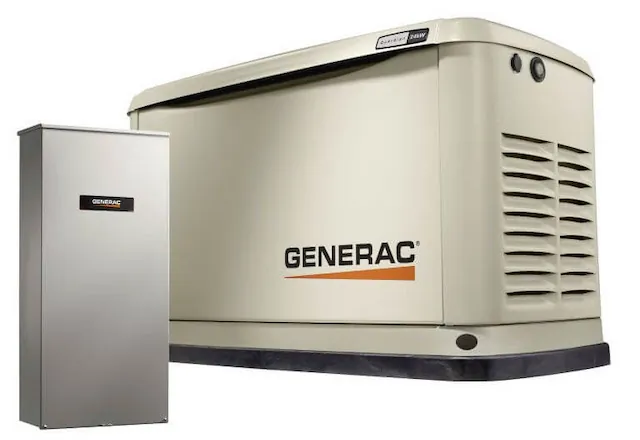
The most common reason a generator fails to start is a lack of fuel pressure or a depleted battery. Natural gas systems require a specific pressure to run; if a local gas line has been serviced or a meter was shut off, the unit may not receive enough fuel to ignite. You should check the manual fuel shut-off valve located near the unit to ensure it’s in the “on” position.
Another frequent issue is the battery. Even if the generator is connected to a trickle charger, batteries naturally lose their ability to hold a charge over time. If the engine cranks slowly or makes a clicking sound, the battery is likely too weak to provide the high current needed for the starter motor. You can check the state of the battery using a standard voltmeter, though many units provide a battery voltage reading directly on the digital display.
Environmental factors also play a part. In colder climates, the oil can become thick, making the engine harder to turn over. If you live in an area with freezing temperatures, ensure you’re using the synthetic oil viscosity recommended by the manufacturer.
You can find the official product maintenance schedules on the manufacturer’s website to see the exact oil type for your model. If you have verified the fuel, battery, and oil, and the unit still refuses to start, the issue may involve internal sensors or the electronic control unit.
Safety: Inside a mains-powered machine, the parts behind the outer cover can hold a dangerous electrical charge even after it has been unplugged — that’s why they sit behind a cover. Opening the housing, or testing or replacing anything behind it, is a job for a qualified technician, never a home repair.
Check the Fuel Supply System
The fuel system must deliver a steady, uninterrupted flow of natural gas to the engine during the entire cranking process. If the generator starts but dies after a few seconds, it often means the fuel regulator isn’t getting the correct pressure. First, ensure that no other high-demand gas appliances, like a large furnace or water heater, are starving the generator of gas while it tries to start.
Check the gas piping for any signs of damage or leaks, such as a strong odor of rotten eggs near the unit. If you smell gas, don’t attempt to start the generator; turn off the fuel supply immediately and leave the area. You should contact your local gas utility provider to inspect the supply line and ensure the meter is delivering the correct volume for your specific generator’s BTU rating.
If there’s no odor and the fuel valve is open, look at the generator’s control screen for a “Low Fuel” or “RPM Sensor” error. These warnings indicate that the engine isn’t reaching the required speed to generate electricity.
If the fuel supply is fine but the engine still stalls, the issue is likely a mechanical failure within the fuel intake or air filter assembly. These parts require specialized tools to inspect, so call a certified service dealer if the display shows these persistent errors.
Reset the Controller and Breaker
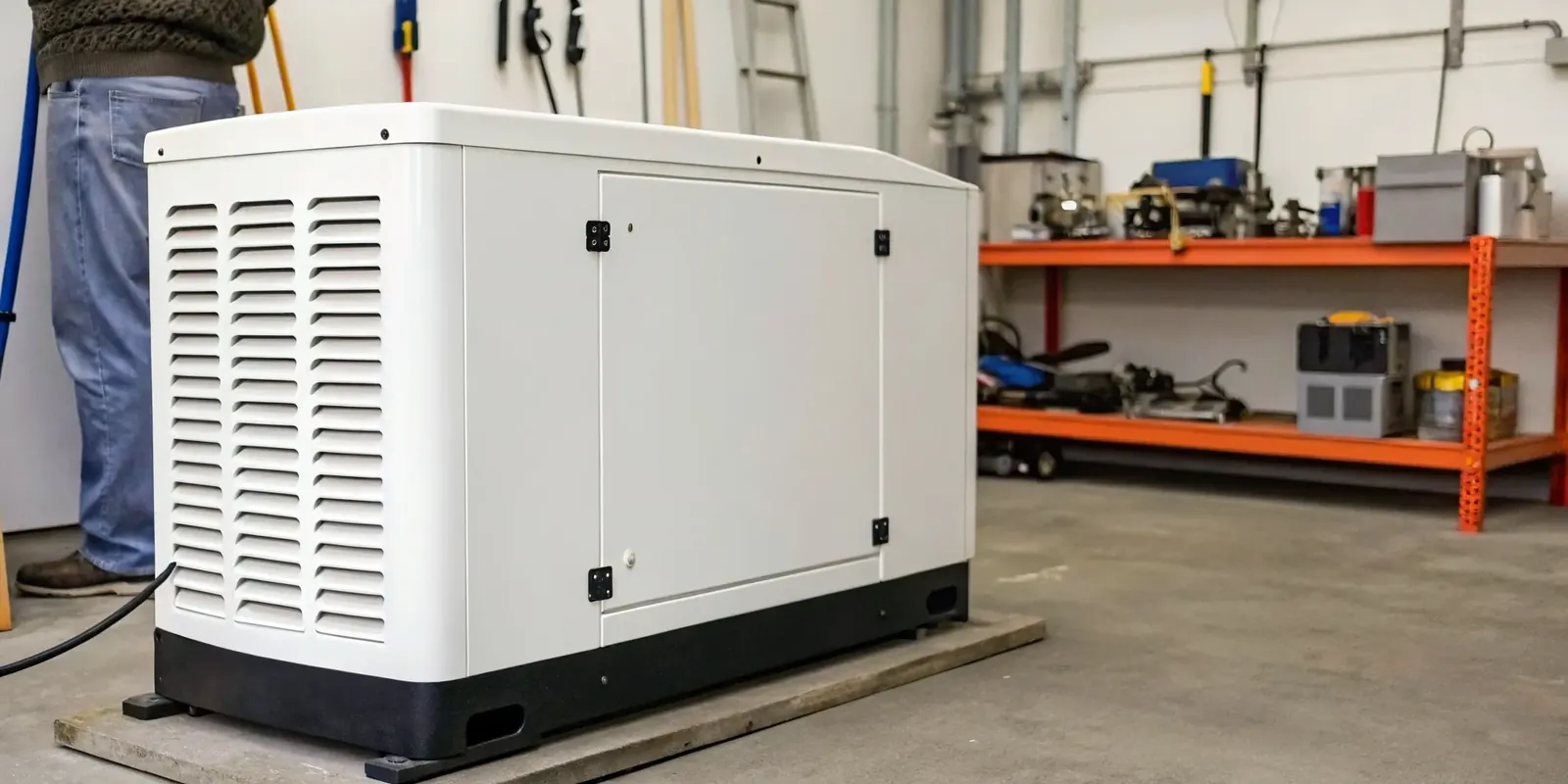
Sometimes the issue isn’t mechanical but electrical, caused by a tripped circuit breaker or a “fault” state in the controller. If the generator engine is running but you have no power in the house, check the main circuit breaker located on the generator itself. It’s usually found behind a small door on the side of the unit. If the switch is in the “off” or “tripped” position, flip it firmly to “on” to restore power.
If the breaker is already in the “on” position, inspect the toggle for a middle “neutral” state. A breaker that feels loose or refuses to stay in the “on” position indicates a short circuit that won’t reset; forcing it will only damage the internal contacts.
If the controller shows a fault, you can try to clear it by pressing the “off” button, followed by the “enter” button. This forces the unit to reset its internal memory. If the error code returns immediately after you press “auto,” the fault is likely a genuine hardware failure that requires professional attention.
Who this isn’t for: This method isn’t for anyone who smells gas or sees sparks near the engine housing. If you notice any damage to the electrical wires or the gas line, don’t attempt to reset the system. You must hire a qualified technician to perform a physical inspection of the wiring and internal components.
A professional will have the diagnostic software to read the specific fault history stored in the generator’s computer. Attempting to override a persistent fault code often results in a blown control board, which is inexpensive to replace compared to the cost of a new generator.
Common Mistakes That Cause Damage
Running the unit without a proper load test: Many people never test their generator, which leads to stuck valves or dead batteries that only become apparent during a power outage. You should run the unit under at least 50% load for 20 minutes monthly to circulate oil and verify the transfer switch functions.
Using old fuel or oil: While natural gas doesn’t go bad, the engine oil does. Failing to change it every 100 to 200 hours of run time can cause internal engine seizure. If you use gasoline, add a fuel stabilizer immediately; otherwise, ethanol separation will clog the carburetor within 30 days.
Overloading the circuit: Connecting too many appliances at once can trip the main breaker, which people often mistake for a mechanical engine failure. To avoid this, prioritize essential loads like the refrigerator and well pump before turning on secondary devices.
Ignoring the maintenance schedule: Skipping the air filter replacement restricts airflow, which forces the engine to run rich and wastes fuel.
Attempting to bypass safety sensors: Never disconnect or “jump” the safety switches. This can cause the engine to overspeed and destroy the alternator, a repair that often exceeds the unit’s residual value.
Best Practices for Generator Maintenance
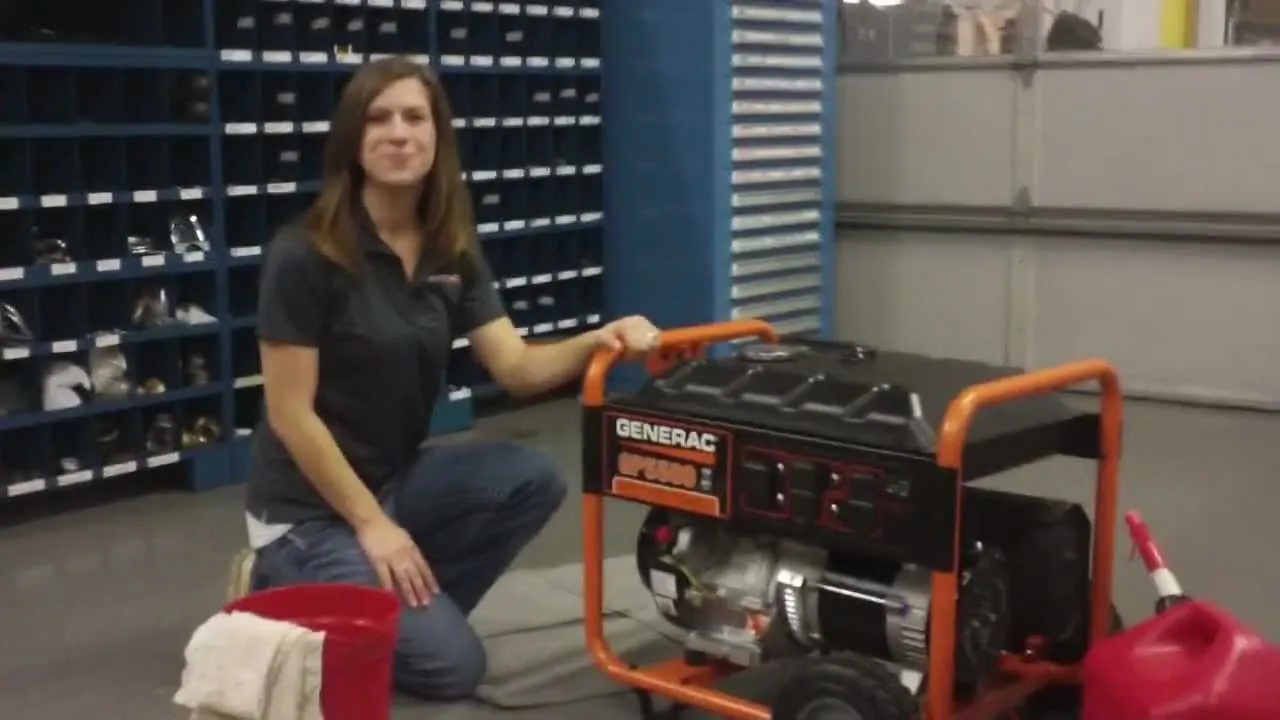
If you’re currently relying on guesswork, you should switch to a structured maintenance routine. This keeps the unit ready for emergencies and prevents costly repairs.
| If you’re doing this | Do this instead | Why |
|---|---|---|
| Leaving the unit in “off” | Keep it in “auto” | It allows the weekly exercise cycle |
| Ignoring the display | Log the error codes | Helps technicians diagnose issues faster |
| Using standard car oil | Use synthetic oil | Better performance in extreme temperatures |
| Waiting for an outage | Run a weekly test | Ensures the battery and fuel are ready |
Most owners mistake a quiet generator for a healthy one. If the engine fails to start during a monthly test, check the battery health first. A battery showing a low charge often indicates a failed trickle charger, which is a job for a technician to test and repair.
Always keep a logbook near the unit. Note the hours of runtime and the dates of oil changes. If you notice a “low oil” warning, check the dipstick before adding fluid. Overfilling the crankcase can lead to internal pressure damage that costs thousands to repair.
If your generator runs on propane, inspect the fuel lines for cracks based on your usage. Natural gas units require a professional inspection of the solenoid valve as directed by the owner’s manual. If you smell gas, shut off the main supply immediately and call a technician.
Frequently asked questions
How often should a natural gas generator be serviced?
Perform a full service including oil and filter changes plus spark plug inspection. This maintenance ensures the engine runs smoothly. You may need to perform these tasks more frequently in dusty or hot environments.
Why is my generator running but not producing power?
A tripped main circuit breaker on the generator or transfer switch is the most common cause of power loss. Reset the breaker by pushing the handle to off and then back to on. If power doesn’t return, contact a professional technician.
Is it safe to open the generator housing to check parts?
It isn’t safe for a home user to open the main engine housing or electrical control box. These areas contain high-voltage components that pose a risk of electric shock. Always contact a certified service provider for internal work.
What should I do if the generator makes a loud knocking sound?
Turn off the generator immediately if you hear a loud knocking sound. This noise often indicates severe internal mechanical damage that will lead to total engine failure. Contact a professional mechanic for a complete teardown and diagnosis.
How long can a natural gas generator run continuously?
Most residential natural gas generators can run for extended periods provided they have adequate oil and remain within safe temperatures. Check the oil level daily during long outages. Shut the unit down briefly if you need to perform inspections.
What does a low oil pressure warning mean?
A low oil pressure warning indicates that oil isn’t circulating correctly or the level is too low. Turn the generator off immediately to prevent permanent engine damage. If the oil level is correct and the warning persists, call a technician.
Conclusion
If these simple checks don’t resolve the problem, don’t hesitate to contact a certified technician. They’ve got the specialized tools to handle complex electrical faults safely. It’s always better to get professional help early so you aren’t left in the dark when you really need your power back on.
Related guides